Friday, May 24, 2024

Our Veterans Facing Addiction


 When Service Becomes a Battle: Honoring and Helping Our Veterans Facing Addiction


As the tender hues of dawn brush the sky this Memorial Day weekend, a somber reflection falls upon us. It’s a time not merely to ignite barbecue grills or revel in the bliss of a long weekend—it’s a time to pay homage to those who’ve drenched the soil with their sweat, tears, and blood for our nation's call. Yet, amidst the valor we remember, lies a silent battle that rages on—the struggle with addiction that afflicts many veterans who have served with honor.


It is crucial—now more than ever—to tear down the all-too-common misbelief that addiction signifies a lack of willpower. Addiction does not discriminate; it is a relentless force that can besiege anyone, including our most revered soldiers. Their sacrifice for our freedom earns them respect, independent of the personal wars they wage post-service—a fight for normalcy, a fight against an unseen foe: addiction.


These men and women who once stood fearlessly on battlegrounds are now often found fighting in solitude or invisible to society's hurried gaze. How do we stand by them? Remembrance must transform into action; gratitude must morph into support.


To begin with, let’s engage in conversations to better understand these struggles—the isolation, prolonged stress of combat exposures, and pain (both physical and mental) serve as tinder to the fire that is addiction. Let us also rally around veteran-centric organizations dedicated to providing accessible health care, counseling, and rehabilitation services that address this very need.


It is incumbent upon us to exercise our power as civilians by voting for policies that secure better funding for veteran programs. Community-driven initiatives like sober living houses, peer-to-peer support networks, and job opportunities geared towards those who have served can be life-changing resources.


Meanwhile, in our remembrance initiatives this weekend—whether it’s through ceremonies or reflecting upon heroic deeds—we should carve out space for those who continue their battles off the field. Share their stories; shine light on the issue at hand. Let us reach out with words of compassion acknowledging their service and assuring them they are not alone in their current fight.


Memorial Day is about connection—past to present, citizen to soldier. It’s about binding the wounds seen and unseen. So as we lay wreaths and lower flags to half-mast in memory of those we’ve lost, let us also extend hands of hope towards those veterans whose current fight hasn’t concluded.


Be raw in acknowledging their suffering but also real in recognizing their valor continues; be profound by transforming our memory into meaningful acts that uphold their dignity. In doing so, we honor them truly—not just on Memorial Day weekend but every single day after.


Remembering is sacred work; remembering combined with helping is transformative work—for both the bearer and benefactor of gratitude.-Belle-

Navigating the Booze-Infested Water of Memorial Day


 Staying Sober Over Memorial Day Weekend: A Guide to Navigating the Booze-Infested Waters


Memorial Day weekend is upon us, and we all know what that means: a three-day marathon of barbecues, beach outings, and, for many, a relentless onslaught of alcoholic temptations. But fear not, my clear-headed compadres, for I bring you a survival guide packed with tips and tricks to keep you as sober as a judge in a kombucha brewery.


Tip #1: Unleash Your Inner Mixologist

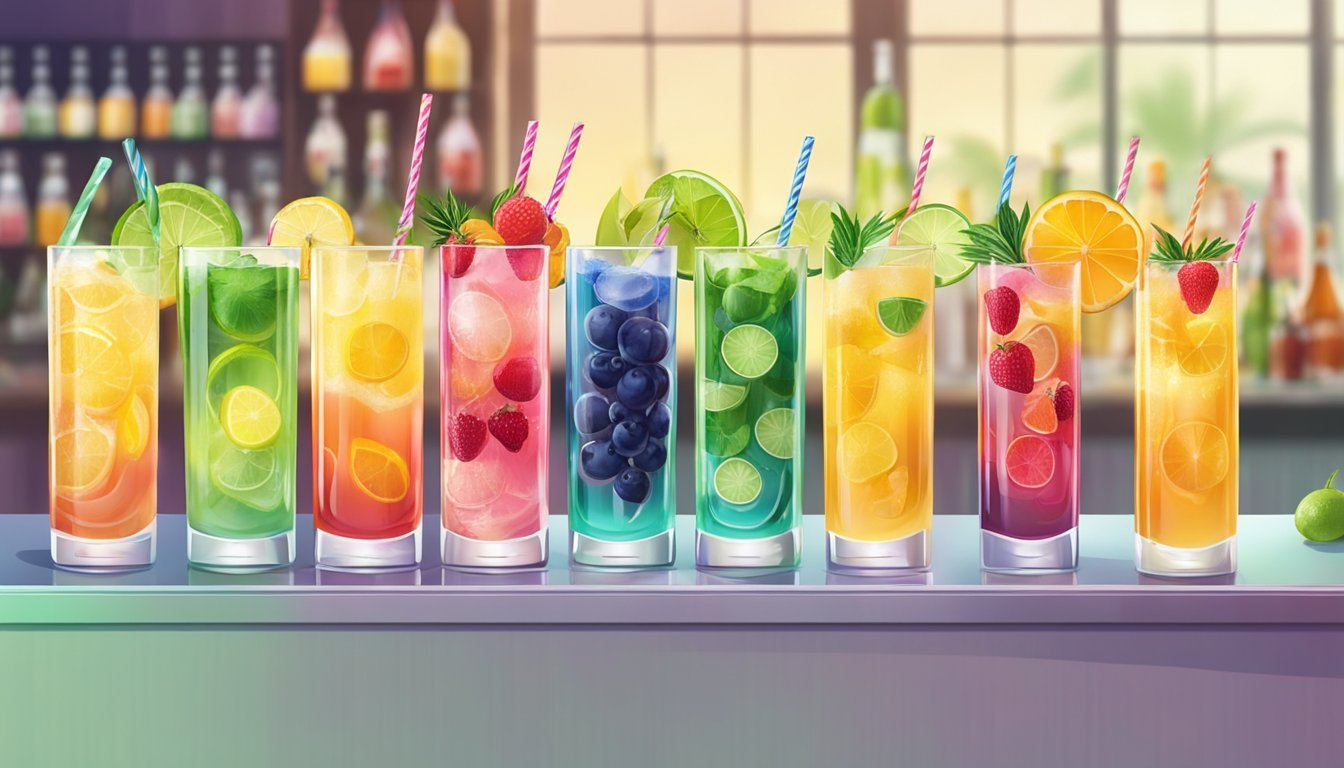
Who says sober has to be synonymous with boring? It’s time to give those cocktails a run for their money with some craft mocktails. Grab some fresh fruit, a muddle stick (or just the back of a spoon if you’re not fancy), and let your imagination run wild. Make your non-alcoholic concoction so delicious that even your booze-guzzling friends will want a sip – just watch them squirm when you tell them it's virgin.


Tip #2: Become the Grill Master

Distract yourself from the sea of beer cans by taking charge of the grill. Not only does this give you an excuse to avoid the drink table, but you'll also gain instant popularity. And let's face it – nobody wants to hand a beer to the person responsible for perfectly charring their burger. Plus, brandishing tongs can be incredibly empowering.


Tip #3: Buddy Up with Another Sober Sailor

Find yourself a sober buddy. This is like having a wingman, but instead of helping you score digits, they help you swat away drinks. A partner in sobriety can provide moral support and share in awkwardly sipping water while everyone else plays flip cup.


Tip #4: Fake It Till You Make It

Fill that red solo cup with something non-alcoholic and walk around like you own the place. Nobody will know you're secretly sipping on sparkling water – unless they take an uninvited swig and spit it out in surprise, which could be (darkly) hilarious.


Tip #5: Embrace Your Inner Historian

Memorial Day isn't just an excuse to barbecue; it's about remembering those who served. Channel your inner history buff and engage folks in discussions about historical battle strategies or share stories of heroic veterans. This may prompt some folks to drink more just to endure your lecture – but hey, more sobriety for us, right?


Tip #6: Plan an Escape Route

If all else fails and temptation is looking as tantalizing as a chocolate fountain at a diet convention, have an exit strategy ready. Whether it's claiming an early morning meeting (ahem, yoga session) or suddenly remembering your pet iguana’s feeding time, make sure you have an out when needed.


There you have it – your battle plan for waging war against the liquid foe this Memorial Day weekend. Arm yourself with these tips and tricks, and remember that sobriety can be just as entertaining – if not more so – than its buzzed counterpart. 

Let's raise our mocktail glasses high and toast to staying sober amidst the storm because who needs hangovers when you have hiccups… from laughing too hard at your friends' karaoke attempts? Cheers to that!-Belle-

I'm Sober, Why do I feel like this...


Ah, PAWS—the unwanted pet that no former addict wants to adopt. Post Acute Withdrawal Syndrome is like the hangover that didn’t get the memo the party ended weeks, months, or even years ago. It's the kind of guest that overstays its welcome, bringing along a suitcase filled with mood swings, anxiety, and a whole host of other delightful surprises.

Now, don't be fooled into thinking this is just a case of the Mondays that can be cured with a strong cup of coffee. PAWS can be a major party crasher for those trying to maintain sobriety. These symptoms are sneaky; they can come and go without warning, making the individual feel like they're on a never-ending emotional rollercoaster.


Healthcare professionals are like the bouncers at this unruly party, working hard to detect and manage these persistent symptoms. You see, PAWS can be the major cause of relapse among those addicted to psychoactive substances because, as it turns out, completing acute withdrawal is about as much a guarantee of long-term sobriety as "I'll just have one chip" is a guarantee of self-control.

Despite its prevalence, there's a need for a consensus definition to distinguish PAWS from the acute withdrawal phase. It's a bit like trying to discern between a zebra and a horse in a dark room; you know they're different, but the specifics can get a bit fuzzy.


So, while PAWS might sound like a cuddly condition you'd find at your local animal shelter, it's actually a serious issue that can hinder the recovery process. It's crucial for treatment settings to acknowledge and address PAWS, because ignoring it is akin to ignoring that one small leak on the Titanic—it might not seem like a big deal at first, but boy, can it lead to a much larger problem.

In summary, PAWS is no laughing matter, but with a bit of dark humor, we can shed light on the importance of recognizing and treating this tenacious tail of addiction. Remember, recovery is a journey, and every step—paw or otherwise—counts.-Belle-

Wednesday, May 22, 2024

Are you Bored?


Embracing the Monotony: The Unspoken Thrill of Boredom in Addiction Recovery

Have you ever found yourself staring at the ceiling, counting the not-so-elusive popcorn texture, and wondering if this is what sobriety is all about? Welcome to the exclusive club of the bored-in-recovery, where the punchline is that there's no punchline, and the drinks are, well, non-alcoholic.


The Existential Dread of the Sober Calendar

Let's face it, addiction recovery's social calendar isn't exactly brimming with bacchanalian feasts. There’s an irony so rich here, you could spread it on toast: we spend our time in the throes of addiction craving moments of clarity, and once we get clean, we yearn for the haze to stave off the boredom.

Why, you ask, is boredom such a feared beast in the world of recovery? Is it because we've replaced our nightly pub crawls with spirited debates on whether chamomile or peppermint is the more spiritually enlightening tea? Possibly. But the true fear lies in the idle hands and minds of those who have just given up their best frenemy: substances.


The Vacuum of Viceless Hours

In the heyday of our addiction, we had a full-time job: managing the chaos. Now, with the substances out of the picture, we find ourselves with a gaping hole in our schedule. It's like firing a problematic employee, only to realize they were doing the work of three people.

The newfound time can feel like a black hole, sucking in any semblance of excitement. Our dopamine receptors, once the life of the party, are now sulking in the corner, wondering when the fun will start again.


The Creative Abyss

They say an idle mind is the devil's playground, but let's be real, even the devil would find this level of tedium unbearable. We’re told to 'embrace our new hobbies,’ which is just code for 'find something to obsess over that isn’t your former vice.' So, we knit, we run, we learn to make artisanal cheeses – because nothing screams 'I'm a thrill-seeker' like a nicely aged brie.


The Terrifying 'What Now?'

The crux of this collective angst is the 'what now?' that looms over us like a cloud of unflavored vapor. What do you do when the thing that was killing you was also bizarrely making life interesting?

Well, you could take up extreme ironing (yes, it’s a thing), explore the nuanced world of competitive dog grooming, or maybe even start a blog about the existential crisis of being bored in recovery. The possibilities are as endless as the hours in your day.


The Light at the End of the Tedium Tunnel

Here's the good news: if you're working your recovery, this boredom is just a phase. It's the calm before the exhilarating storm of truly living. As you mend ties, explore new interests, and start to feel again, you'll find that life's to-do list starts to refill—but this time, with activities that don't leave you with a hangover.

You're going to get busy living life, and not just any life, but one that's authentically yours. The day will come when you'll look back on these dreary days with a chuckle and be grateful for the struggle that led to a life rich with purpose and free from the chains of addiction.


Conclusion: The Boredom Paradox Revisited

In the end, boredom in recovery is the ultimate paradox: a sign that you're doing things right, yet it feels so wrong. It's the universe's cruel joke, a test of your resolve to find joy in the mundane.

But here's the thing: boredom is also the canvas upon which we can paint our new lives. And while it may not be the high-octane, adrenaline-fueled escapade of our past, it's a blank page waiting for us to fill it with dark humor, cheese-making, and maybe even a little bit of hope.


So to my fellow recovery warriors, let's raise our glasses (of sparkling water) to the boredom – may it be the most uneventful adventure we ever embark upon, and the prelude to the rich, vibrant life that awaits us just around the corner.-Belle_

Monday, May 20, 2024

Walk with me, if you dare.

 Walking the Tightrope: The Highs and Lows of Being a Recovering Addict Turned Substance Abuse Counselor


Welcome to the twisted carnival of life, where the ride operator is also the one who's been stuck on the roller coaster the longest. In the big top of addiction recovery, some of us not only survive the ride but also sign up to operate it for others. That's right, I'm talking about the recovering addicts who don the cap of substance abuse counselors. Buckle up, folks; it's going to be a bumpy ride.


Pro: Been There, Done That, Got the Emotional Baggage to Prove It

As a recovering addict turned counselor, you've got street cred that can't be bought, even on the darkest corners of your past. You've navigated the labyrinth of addiction, slayed your personal demons, and now you're back with a map for others. Your scars are like badges of honor, and your war stories? Well, they're more captivating than any reality TV show.


Con: Constantly Dancing with Your Own Demons

Every day, you're walking through a haunted house of past horrors. It's like hosting a dinner party with all your exes—therapeutic, yet teetering on the brink of insanity. Your own triggers are always lurking in the shadows, waiting to jump out when you least expect it. It's all fun and games until someone's past addiction decides it wants to tango in the middle of a session.


Pro: The Ultimate Empathy Machine

Your ability to empathize is not just a skill—it's a superpower. You don't just listen; you feel. When a client is spiraling, you're not just throwing them a lifeline; you're diving in to swim alongside them. It's like being a psychic who doesn't need a crystal ball because you've lived through the prophecies yourself.


Con: The Savior Complex Tightrope

It's easy to fall into the "I must save everyone" pit. But let's face it, you're a counselor, not a superhero. The weight of the world isn't yours to carry—remember, Atlas shrugged for a reason. You can't fix everyone, and trying to do so is like juggling chainsaws—impressive but potentially dismembering.


Pro: The Power of a Good Plot Twist

Your narrative is the plot twist everyone loves—a fall from grace followed by a phoenix-like rise. You're the living, breathing proof that change is possible, and that's more addictive than any substance. It's like being the protagonist in a novel where every session with a client adds another chapter to your legacy.


Con: The Magnifying Glass Effect

Being in recovery means you're constantly under a magnifying glass, especially by those who think relapse is as predictable as a plot in a soap opera. Every bad day is scrutinized, every mood swing analyzed. It's like being a zoo animal, only you're expected to help feed the other animals while everyone watches.


Why We Need More Recovered Souls in the Field

The world of substance abuse counseling needs more guides who've navigated the treacherous trails themselves. Who better to lead the way than someone who's already fought the monsters? It's like having a former dragon as your knight in shining armor—sure, they've got a few burn marks, but they know exactly how to slay the beast.


So, to all the recovering addicts considering a career in counseling: we need you. Your experiences are more valuable than any textbook, and your victories are a beacon of hope. Just remember, while you're busy lighting the way for others, keep an eye on your own path. After all, even the best tightrope walkers occasionally need a safety net.


In this dark carnival of recovery, a counselor with a history of addiction is the ringleader who's been through the house of mirrors and come out knowing all the angles. So go ahead, take center stage and show 'em how it's done—just don't drop the flaming batons.-Belle-

Deal or No Deal?


Embracing the Darkness: A Wickedly Humorous Take on Harm Reduction in Addiction Recovery

Welcome, brave souls, to the shadowy alleyways of addiction recovery, where the concept of harm reduction lurks like a misunderstood phantom, often shrouded in controversy. Let's shine a flickering candle on the subject and explore this pragmatic approach that, dare we say, makes a bit too much sense for comfort.


A Spoonful of Sugar Helps the Medicine Go Down, Right?

Imagine, if you will, a world where Little Red Riding Hood befriends the Big Bad Wolf to learn how to better avoid other predators. This is the essence of harm reduction – working with the beast, rather than slaying it outright. Harm reduction is the Mary Poppins of addiction recovery; instead of preaching abstinence with a stern look, it doles out practical advice with a cheeky wink.


The Methadone Mixer: Party or Treatment?

Methadone clinics, now there's a party you didn't expect to attend, right? These bustling hubs of sobriety serve as a testament to harm reduction's philosophy: if you can't beat 'em, join 'em – but with pharmaceuticals. It's like telling a vampire, "Hey, we can't stop you from biting, but how about we just give you bags of blood instead?" Practical, but not nearly as dramatic.


Needle Exchanges: Because Sharing Isn't Always Caring

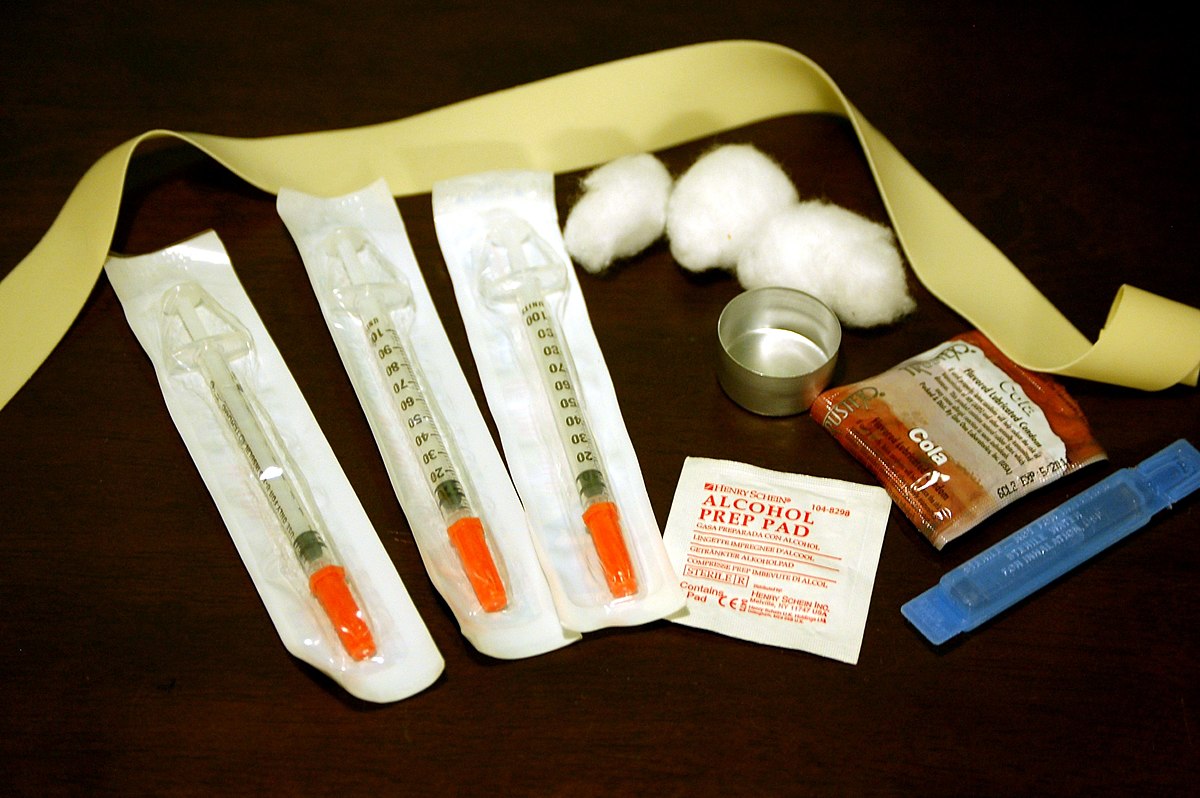
In the spirit of harm reduction, needle exchanges are the Oprah's Favorite Things of the drug world: "You get a clean needle! And you get a clean needle! Everybody gets clean needles!" This program aims to reduce the spread of infectious diseases among drug users because, let's face it, Tetanus and Hepatitis C are the party poopers nobody invited.


Condoms, Narcan, and Other Party Favors

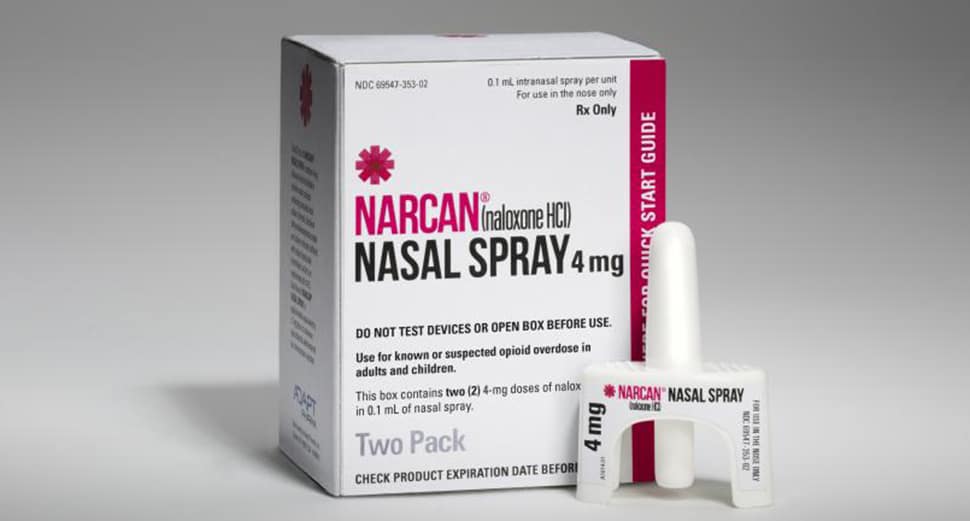
Harm reduction says, "If you're going to do it, do it safely." It's the cool aunt or uncle who slips you a condom at a family reunion, knowing full well you're up to no good. Narcan, the life-saving drug that reverses opioid overdose, is like that friend who knows CPR – a total buzzkill, but secretly everyone's glad they're around.


The Critics: Abstinence Advocates or Party Poopers?

Critics of harm reduction are like the people who turn off the music at a party because it's "too loud" – they mean well but aren't much fun. They argue that harm reduction enables addiction, to which advocates might reply, "Well, at least we're not enabling death."


The Sobering Conclusion

In a world riddled with addiction, harm reduction is the gritty superhero that doesn't wear a cape but carries a first aid kit. It acknowledges that the road to recovery isn't always a straight, well-lit path, but sometimes a winding, dimly lit labyrinth where even a small glimmer of hope can guide you out.

So, as we tiptoe through the twilight zone of addiction recovery, let's appreciate the dark humor in harm reduction. It doesn't aim for a perfect solution; rather, it seeks a less disastrous tomorrow. And isn't that just life? A series of calculated risks, and sometimes, just making it to the next day is a victory worth celebrating – with or without the confetti.

In this educational but macabre dance with addiction, harm reduction plays the tune to which we can all do the safety shuffle. And if that's not a reason to crack a sinister smile, what is?-Belle-

Why Addiction Isn’t About Willpower: Why That Truth Matters for Everyone

For more posts, come to the updated platform progressisprogress.substack.com Let’s just be honest: For years, I thought addiction was just b...