Friday, May 3, 2024

You survived till now.... now what???????


The Art of Self-Forgiveness: Embracing Lessons from Addiction to Recovery

Forgive yourself for not knowing what you didn't know before you learned it. This simple yet profound piece of wisdom is especially poignant for those journeying through addiction into recovery.

During the throes of addiction, survival is the name of the game. Coping mechanisms—no matter how dysfunctional—become our lifelines. They're the duct tape and super glue holding us together, albeit precariously. These strategies, as flawed as they may be, served a purpose. They got us through another day, another craving, another moment of despair. And if you're reading this, they helped keep you alive to fight another battle on the path to recovery.

It's natural to look back with a critical eye on the ways we coped during our addiction. But it's crucial to remember that we did the best we could with the tools we had at the time. Self-forgiveness is about acknowledging this fact. It's not an excuse but an acceptance of our past selves and the realization that, at that moment, those broken strategies were all we had.

But here's the twist: recovery is not just about survival. It's about learning how to live. Truly live. It's about replacing the temporary fixes with sustainable strategies for a fulfilling life. Recovery is about building, growing, and nurturing rather than merely patching up and making do.

Sometimes, people in recovery express a longing to return to who they were before addiction took hold. It's an understandable sentiment, a desire for the innocence or perceived simplicity of the past. However, that version of ourselves, no matter how nostalgically remembered, is the very one that walked the path into addiction. As the saying goes, "If nothing changes, nothing changes."

Recovery demands transformation. It's not about minor adjustments but a complete overhaul. This might sound daunting, but it's also incredibly empowering. You're not just reclaiming the life you had; you're creating a new one, with the knowledge and strength forged in the fires of your experiences.

Change in recovery is all-encompassing. It's not just about abstaining from substances; it's about reevaluating relationships, habits, and even your environment. It's about examining the roles you play and the narratives you've written for yourself. Each aspect of your life gets a fresh look, a new approach.

This process of change doesn't happen overnight. It's a series of steps, some small, some large, all moving toward a life that is lived rather than just survived. It's about building a toolbox filled with healthy coping strategies, supportive relationships, and meaningful activities. It's about learning to navigate life's challenges without reverting to old patterns.

So, as you walk the path of recovery, remember to practice self-forgiveness. You are learning, growing, and evolving. The person you were during addiction was doing their best to survive, and the person you are becoming is learning how to thrive. Embrace the journey, the lessons, and the changes that come with it. The road ahead is not just a path away from addiction; it's a road toward a new horizon, a life lived with intention, purpose, and joy.

Band-Aide's on Bullet Holes


Filling the Void: Trauma, Addiction, and the Quest for Wholeness

Remember that scene in "Kung Pow: Enter the Fist" where our absurdly dubbed hero delivers a punch so epic it leaves the villain with a gaping, cartoonish hole in his torso? You can see the landscape right through him as if he's become a living, breathing donut of doom. Now, hold that image in your mind and let's talk about a more serious but somewhat related topic: the role of trauma in addiction.

Imagine, if you will, that each of us has a similar hole, though not quite as visible or as suitable for comic effect. This hole isn't the result of a kung fu punch-up but rather the complex, often painful experiences that life throws our way. Trauma, in its many forms, can leave us feeling incomplete, as if a part of us is missing or damaged.

For many, addiction begins as an attempt to fill that void. We stuff it with whatever we can find—substances, behaviors, you name it—hoping to become whole again. These are our temporary patches, our attempts to plug the leaks and pretend the hole doesn't exist. But as anyone who's tried to fill a spiritual hole with material things can tell you, it's a lot like trying to fill the Grand Canyon with a teaspoon. Good luck with that.


The old adage "your secrets will keep you sick" captures this perfectly. The things we hide from the world—and often from ourselves—are like the silent winds that keep the void open and raw. We can try to slap Band-Aids on bullet holes, but deep down, we know they're just going to get soaked through. And honestly, who wants to go through life looking like a mummy made of Band-Aids?


Addressing trauma and beginning the healing process can be a long, sometimes lifelong journey. It's about peering into that void and understanding what caused it. It's about recognizing that the temporary fixes we've used are about as effective as using a chocolate teapot. Sure, it's sweet for a moment, but it's going to melt into a sticky mess the moment things heat up.

Healing from trauma is about seeking out the right tools, the right support, and the right environment to start patching up the real wounds. It's about learning to live with the scars, yes, but also finding ways to stop the cycle of hurt and self-medication.

And, let's be real, it's a bit like doing renovations on a house while you're still living in it. There will be days when everything is covered in dust sheets, and you can't find the darn screwdriver, and you accidentally wallpaper the cat. But bit by bit, the structure starts to feel more solid, more like a home and less like a house of cards.

So while we may not have literal holes punched through us (and let's be thankful for small mercies), the metaphorical holes left by trauma are very real. And while filling them is no laughing matter, if we can't sometimes see the humor in our human foibles, we're missing out on one of the best healing balms available.


In the end, whether your void looks like a kung fu injury or a metaphorical abyss, know that you're not alone in trying to fill it. And remember, the journey to wholeness isn't about finding the perfect filler; it's about learning to live with the hole in a way that doesn't lead us to self-destruct. It's about turning that void into a space where growth can happen, where flowers can bloom—perhaps even a nice little rock garden or a koi pond. Now that's what I call interior (and exterior) design!-Belle-

Old School Vs New School


Navigating Recovery: Embracing the Spectrum from Absolute Sobriety to Harm Reduction

In the realm of addiction recovery, there has long been a debate between the merits of old school approaches, with their emphasis on absolute sobriety, and new school thoughts that advocate for harm reduction. These differing philosophies can often seem at odds, yet they both aim at the same target: helping individuals reclaim control over their lives. But is there a middle ground? Can we take a more nuanced, person-centered approach that respects the individuality of each person's journey?

Old School: The Case for Absolute Sobriety

Historically, the recovery movement has been dominated by the pursuit of absolute sobriety. This approach posits that a clean break from all substances is the only path to true recovery. Programs like Alcoholics Anonymous (AA) and Narcotics Anonymous (NA) have championed this method, providing a structured, step-by-step process to achieve and maintain sobriety. The clarity and simplicity of this goal can be powerfully effective, offering a clear benchmark for success.

New School: The Argument for Harm Reduction

In contrast, harm reduction accepts that not everyone is ready or able to abstain completely from substance use. Instead, it focuses on minimizing the negative consequences of drug use without necessarily stopping the use itself. This can include strategies like safe injection sites, needle exchange programs, and medication-assisted treatment (MAT). The principle behind harm reduction is practicality; it recognizes the complex nature of addiction and seeks to reduce risk where possible.

Why We Should Consider All Sides and Angles

The dichotomy between absolute sobriety and harm reduction is not just philosophical—it's personal. Every individual facing addiction comes with a unique story, a distinctive set of challenges, and personal goals. For some, the discipline and finality of absolute sobriety provide a necessary structure. For others, harm reduction offers a realistic and compassionate pathway that acknowledges their current situation.

As we wrestle with these approaches, it's crucial to understand that addiction is not a one-size-fits-all issue. A rigid adherence to a single method can overlook the nuances of an individual's experience. Instead, a spectrum of options allows for personalized care that aligns with a person's needs, values, and stage of readiness for change.

Person-Centered Care in a Cookie-Cutter World

The challenge that faces us in providing person-centered care is the prevailing model of cookie-cutter treatment programs. These programs often apply the same treatment methodologies to everyone, but in doing so, they may miss the intricacies of personal circumstances that can make or break a recovery journey.

Person-centered care means looking beyond the standard protocols to see the individual. It requires a flexible approach that adapts to the changing needs of each person. It is about empowering individuals to make informed decisions about their recovery path—whether that's aiming for complete sobriety or engaging in safer use practices.

Finding the Balance

So, how do we balance these diverse approaches to provide the best care? It starts with a conversation. By engaging with individuals on their terms, understanding their perspectives, and respecting their choices, we can develop a treatment plan that is as unique as they are.

It's about collaboration between treatment providers and those seeking help, where goals are set together, and progress is measured not just by abstinence but by improved quality of life. It's about continuing to learn, adapt, and innovate in our recovery strategies to ensure that we are meeting people where they are, not where we expect them to be.

In conclusion, the debate between old school and new school recovery methods isn't about choosing a winner. It's about recognizing the value in each approach and finding a way to integrate the principles of both absolute sobriety and harm reduction. By doing so, we affirm the dignity of each individual's journey and provide a spectrum of hope that can cater to the varied landscapes of human experience in the pursuit of recovery.-Belle-

Thursday, May 2, 2024

They Overdosed...What could I have done?


When Healing Hearts Break: Facing Loss and Learning in the Shadow of Overdose

It's a moment that every counselor dreads, a stark reminder of the fragility of the human spirit and the daunting adversary that is addiction. One of my first clients working in residential treatment succumbed to the very demons we had battled together, overdosing shortly after discharge from our care. The news struck like a thunderbolt, sending shockwaves of guilt and shame through my already questioning heart. In the silence that followed, I grappled with an unshakable feeling: Could I have done more?


The Echoes of 'What If'

As a counselor, you enter this field armored with empathy, education, and the earnest desire to guide others through their darkest tunnels. But what do you do when, despite your best efforts, a life slips through the cracks? The guilt was a shadow that trailed my every step, whispering endless 'what ifs' and 'if onlys.' The shame was a bitter pill, a corrosive doubt that questioned my skills, my approach, my ability to forge that therapeutic relationship which might have made the difference.

Building a connection with this client was a challenge from the start—a dance of two steps forward, one step back. I struggled to reach them, to find the key to their trust and to light a path forward. Their walls, built from years of pain and defense against a world that seemed too harsh, too unforgiving, stood firm against my every strategy.


The Devastation of Loss, The Lessons Learned

Their passing was a devastation, a stark reminder that behind every case file, every session, every carefully documented plan, there's a human life teetering on a precipice. Yet, as I navigated the stormy seas of grief and self-reproach, I also found invaluable lessons amidst the heartbreak.

This loss taught me the profound truth of our shared humanity—that as much as we strive to be the lighthouse for those lost at sea, sometimes the waves are too strong, the night too dark. It reminded me that our role is not to be saviors, but companions on a journey that is ultimately not our own.

Embracing the Uncomfortable Process

Accepting that it wasn't my fault required a journey through uncomfortable introspection. I leaned on my team, those fellow travelers in the world of recovery, who knew the road I walked all too well. Together, we unpacked the heavy burden of this loss, sharing in the collective sorrow and mutual support that only those in our line of work can truly understand.

Our conversations were cathartic—a space to voice the doubts, to honor the pain, and to begin the delicate process of healing. It was within this circle of empathy that I found the strength to forgive myself, to recognize that while I am a guide, I am not the keeper of my clients' choices.


A Better Counselor Emerges

From the ashes of this tragedy, a better counselor has emerged. One who understands that while we can't always change the outcome, we can walk alongside our clients with an open heart and a listening ear as they let us. I've learned to balance the weight of responsibility with the acceptance of my limitations, to offer my best while knowing it may not always be enough.

While the pain of this loss will never fully fade, it has been transmuted into a resolve to serve with even greater compassion, to listen more deeply, to advocate more fiercely, and to cherish each moment of connection no matter how fleeting.

I know this may not be the last heartache I encounter on this path, but it has fortified my commitment to those I serve. Each day, I step into the counseling space renewed, ready to meet my clients wherever they are in their journey, offering them my presence, my empathy, and my unwavering support. And when the road gets rough, as it inevitably will, I will remember this loss—not as a mark of failure, but as a poignant reminder of the power and the purpose behind every step we take together in the pursuit of healing.-Belle-

No is an actual thing? What????


Drawing the Line with Love (and a Little Laughter): Setting Boundaries in Early Recovery

Welcome to the boundary bonanza, the emotional equivalent of a tightrope walk over a pool of hungry alligators—also known as setting boundaries in early recovery. Whether it's with family, lovers, or that friend who always "just needs to crash on your couch for a few days" (and is still there three weeks later), establishing limits can feel like trying to nail jelly to a wall.


The Art of Saying "No" (Without Saying "Go Away")

Imagine you're at a family BBQ, and your dear Aunt Sally, who couldn't keep a secret if it was superglued to her conscience, wants the latest scoop on your recovery. Meanwhile, your ex, who has a Ph.D. in Emotional Manipulation, calls you for the 99th time. You’ve ignored the previous 98 calls, but this time, they’ve hit the jackpot because you pick up. Congratulations, you've just taught them that it takes 99 calls to get to the center of your resolve Tootsie Pop.

Setting boundaries is as tricky as teaching a cat to do the tango; it's unnatural, they're probably going to claw you, and you're both going to end up confused. But why is it so darn hard?


The Hard Truth About Soft Edges

When it comes to early recovery, your boundaries are like brand-new saplings—delicate, easily trampled, and in desperate need of some support stakes. Here's why playing the boundary-setting game feels tougher than explaining to your grandma how to use Snapchat:

  1. Guilt Trips are Free: You might feel guilty for putting yourself first, especially when you're used to putting everyone else's needs ahead of your own. Remember, you can't pour from an empty cup, especially if everyone else is using it for target practice.

  2. Fear of the Lonely Hearts Club: Saying "no" might lead to worries about ending up as the lone wolf in a world full of pack animals. But let's face it, it's better to be a lone wolf than to run with a pack that's headed off a cliff.

  3. The Love-Hate Dance: You love your family and friends, but sometimes you wish they came with a mute button and an off switch. Setting boundaries with loved ones is like hugging a cactus—necessary for its survival but potentially prickly business.

Picking Up on the 100th Call: A Cautionary Tale

Let's circle back to the ex who's called enough times to make your phone consider a restraining order. On the 100th call, your finger hovers over the 'decline' button but—plot twist—you answer. In that moment, you've sent a clear message: "I have boundaries... but they're more like suggestions." Now your ex knows that persistence (or sheer stubbornness) pays off.

The moral of the story? If you don’t want to turn into a 24/7 hotline for emotional vampires, those boundaries need to be as firm as that three-day-old birthday cake nobody ate.


Erecting Fences with Flair

So how do you set boundaries without feeling like the villain in a melodramatic soap opera? Here are a few tips to keep your sanity—and humor—intact:

  1. Practice Makes Perfect: Start small. Tell your dog he can't sleep on the bed tonight (good luck with that). Work your way up to humans.

  2. Be Clear, Be Firm, Be Kind: It's not a boundary if it's as clear as a foggy day in London. Be as straightforward as a toddler explaining why they drew on the wall—it's art, obviously.

  3. Rehearse Your Lines: Stand in front of a mirror and practice saying "no" with all the confidence of a cat that just knocked your favorite mug off the counter.

  4. Support Squad: Find a friend who's as protective of your boundaries as a chihuahua is of their owner's lap. They'll remind you why you set them in the first place.

  5. The Friendly Ghost Technique: Sometimes, you have to be a bit of a phantom. If the ex rings again, let it go to voicemail. Haunt them with your absence.

Remember, setting boundaries isn't about locking everyone out of your newly constructed emotional fortress; it's about protecting your space so you can invite in those who respect it. It's not selfish; it's self-care with a sprinkle of sass. And if all else fails, just remember: you can't set boundaries if you don't have any. So find them, draw them, and stand by them like a flamingo on one leg—unapologetically fabulous and perfectly balanced.-Belle- 


Sex in Recovery?

 Navigating Intimacy: The Complexities of Sex in Early Recovery

Embarking on the journey of recovery is an act of courage and self-reflection. For those recovering from substance abuse, the early stages of this journey are marked by significant personal growth and change. One aspect of life that often surfaces during this time is the role of intimate relationships and sexual activity. The question of whether to engage in sex during early recovery is a complex one, with various implications to consider.


Should You Have Sex in Early Recovery?

Deciding to have sex in early recovery is a deeply personal decision that should be approached with careful thought. It’s crucial to understand that early recovery often involves a heightened state of emotional sensitivity and vulnerability. The decision to engage in sexual activity should be weighed against the stability and progress of one's recovery.


Pros of Sex in Early Recovery:

Human Connection: Positive sexual experiences can foster a sense of connection and intimacy with another person, which is a fundamental human need.

Stress Relief: Sex can be a natural stress reliever, releasing endorphins and other feel-good hormones that may aid in coping with the stress of recovery.

Self-Esteem: Healthy sexual encounters can boost self-esteem and body image, contributing to a more positive self-view.

Cons of Sex in Early Recovery:

Emotional Instability: Engaging in sex too soon can lead to emotional turbulence, which may destabilize one's recovery journey.

Distraction from Recovery: Sex can become a distraction from the essential work of recovery, potentially leading to neglect of support systems and recovery activities.

Risk of Codependency: There's a risk of developing codependent relationships, where sex is used as a means to seek validation and avoid dealing with personal issues.

What Does It Mean If You Do?

Choosing to have sex in early recovery might indicate a readiness to explore intimacy without the influence of substances. It could signify a desire for closeness and a test of one's ability to engage in relationships healthily. However, it’s important to be cautious and to ensure that sex isn’t being used as a substitute for substances or a way to mask unresolved issues.

What Does It Mean If You Don’t?

Abstaining from sex during early recovery could be a conscious choice to focus on self-improvement and avoid potential emotional complications. It might reflect an understanding of the importance of establishing a stable foundation in recovery before taking on the complexities of a sexual relationship. This choice can also be an opportunity to discover self-worth independently of others.

Exploring All Sides

Whether you choose to engage in sex during early recovery or not, it’s essential to examine your motivations and the potential impact on your recovery process. Some critical questions to consider include:


Are you ready for the emotional responsibility that comes with sex?

Is your decision driven by a genuine connection, or are you seeking validation?

How does sex align with your recovery goals and values?

The Risk of Replacing Love or Acceptance with Sex


One of the hazards in early recovery is the possibility of substituting the addiction to substances with an addiction to sex or using sex as a means to gain love and acceptance. It's important to recognize if sexual activity is becoming compulsive or if it's serving as a coping mechanism to fill an internal void. Therapy and support groups can provide invaluable insight into these patterns.


In conclusion, sex in early recovery is a nuanced topic with no one-size-fits-all answer. It requires honest self-assessment, open dialogue with therapists or support groups, and a commitment to one's recovery journey. Ultimately, the choice to engage in sex should be made with mindfulness, respecting both one's own needs and the overarching goal of healthy, long-term recovery.-Belle-

Wednesday, May 1, 2024

So this happened today...

The Unseen Plot Twist: A Recovery Story with a Real "Click"

Imagine if you will, a tale not unlike those within the dog-eared pages of a suspense novel. Our protagonist? A client in a 30-day treatment program for addiction. Think of it as a reality show where the contestants aren't vying for roses but for sobriety—and the stakes are life and death. Now, our main character played the part well, a performance worthy of an Oscar. "Fake it till you make it," they say, and fake it he did, through group therapy sessions and meditation exercises, all while secretly counting down—days, then hours, like a child eagerly awaiting Christmas morning. Except this gift was different. It wasn't a shiny bike or a new toy; it was the promise of a high waiting in the wings of his workshop/garage, his own personal backstage area. I had the chance to speak with him, post-treatment, and the story he shared had the kind of twist you don't see coming. I had hoped to hear tales of epiphanies during art therapy or breakthroughs by the campfire, but instead, he confided a chilling plan. He was going to leave treatment and dive straight back into the arms of his addiction, with his devoted wife unwittingly playing the role of enabler, dope in hand. But then came the moment—the real "click." It wasn't in the therapy room or during a moment of quiet reflection. It was in the passenger seat of his car, just outside the rehab facility. His wife turned to him, not with the expected package, but with a clean drug test of her own. She had stayed sober, for him, for them. In that instance, his narrative shattered. The realization hit him like a plot twist that leaves the reader gasping for air. He understood that while he could perhaps live with his own self-destruction, he couldn't be the villain in her story. He faced two choices: continue down the path of addiction, which was like being the main character in a tragic play where the final act is a solitary bow in the dark, or choose a different ending, one where the lights stay on and the applause is for a life reclaimed. And guess what? He chose the latter. He chose her. He chose life. It's been said that 30 days of intense residential treatment can't force readiness upon someone. But sometimes, readiness doesn't come with fanfare or a parade. Sometimes, it's quiet; a whisper of change in the backseat of a car, the soft showing of love through a negative drug test. And as of today, he remains sober—a living testament to the fact that the road to recovery is not a straight line. It's a series of twists and turns, unexpected revelations, and moments of truth that can come from places we never imagined. So, dear reader, let this story be a reminder that change can happen in the blink of an eye, or in this case, in the click of a seatbelt. It's a narrative that continues to be written, one day at a time, with the support of those who choose to believe in the possibility of a happy ending. And isn't that a plot we can all get behind? -Belle-

Staying outta the Criminal System!


Navigating When Criminal Thoughts Resurface


In the nuanced landscape of addiction recovery, relapse is often framed within the context of substance use. However, for some, including myself, relapse manifests in a different yet equally challenging form — the resurgence of criminal thoughts and behaviors, particularly in response to financial stressors. My personal journey through recovery has seen this pattern play out more than once, and it's a narrative that many can relate to. The trigger? Money issues. The response? A mental spiral that threatens to pull me back to a past life I've worked so hard to leave behind.

The Financial Trigger and Criminal Relapse

Money problems have a way of igniting a firestorm in the mind. When the bills pile up, and the immediate need for cash becomes pressing, the mind can race back to old, familiar strategies for quick financial resolution. For those of us with a history of criminal behavior, this is a particularly precarious trigger. The rush of thoughts urging a return to that former life of quick fixes can be intense and, if left unchecked, can lead to actual relapse into criminal activity.

My Own Battle with Relapse


Yes, I've relapsed in this way — not through substance use, but by slipping back into criminal thinking patterns that once dominated my life. Each time, it has been a sobering reminder of the persistent nature of addiction and its related behaviors. But with each relapse, I've gleaned insights and learned to bolster my defenses for the future. It's a tough pill to swallow, acknowledging these lapses in judgment, but it's also a vital step in the path toward lasting recovery.

CBT That Shit: Cognitive Behavioral Therapy as a Tool

How do we combat these invasive thoughts and prevent them from translating into actions? The answer I've found lies in Cognitive Behavioral Therapy (CBT), a form of psychological treatment that has proven effective in modifying harmful thinking and behavior patterns. CBT is predicated on the understanding that our thoughts, feelings, and behaviors are interconnected, and that by changing the way we think, we can alter the way we feel and behave.


Through CBT, I've learned to recognize the early warning signs of destructive thought patterns. It has equipped me with strategies to challenge and reframe those thoughts, replacing them with more constructive and realistic ones. Every time the old impulses resurface, I "CBT that shit" — I actively engage with the cognitive tools at my disposal to dismantle the criminal thoughts and prevent them from taking hold.

Overcoming Relapse Through Self-Awareness and Support

Overcoming these relapse tendencies is not a solo endeavor. It requires ongoing self-awareness and a robust support system. It's about having the humility to seek help when needed, whether that's through therapy, support groups, or trusted confidants. It also involves creating a financial safety net to buffer against the stressors that can trigger old behaviors.


Learning and Growing Through Each Experience

Each episode of relapse has been a profound learning experience. It has taught me the importance of vigilance and the value of having a toolkit of coping mechanisms at the ready. These lessons have become integral to my recovery, reinforcing my resolve and empowering me to stay the course.


Conclusion

Relapse in recovery is not limited to substance use; it can also emerge through the resurgence of criminal thoughts and behaviors, especially in response to financial pressures. My own experiences with relapse have underscored the importance of strategies like Cognitive Behavioral Therapy to intercept and transform these thoughts. By facing these challenges head-on and arming ourselves with the right tools, we can navigate the complex terrain of recovery and emerge stronger with each step forward. Remember, relapse doesn't define us — it's what we learn from it and how we respond that shapes our journey. -Belle-

Fuck it.....I relapsed....


Embracing Relapse as a Lesson, Not a Failure: A Guide to Empowering Your Recovery Journey

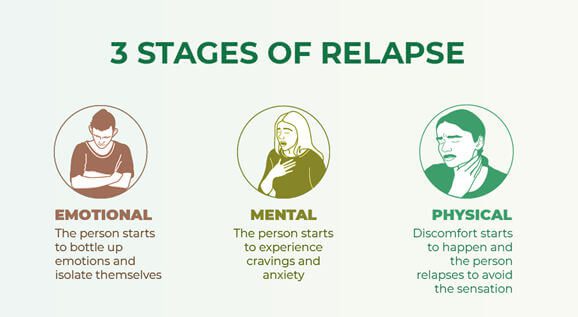
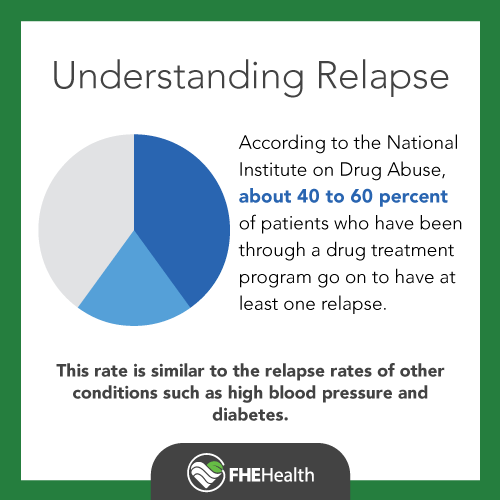
As we tread the path of recovery, we often perceive it to be a linear journey — one that is smooth and uninterrupted. However, the reality is that recovery is more akin to navigating a winding road with its share of obstacles and, sometimes, relapses. It's important to remember that a relapse does not define your recovery; it does not diminish your progress or your strength. Your recovery is as individual as you are, and for some, relapse is part of their story. For others, it isn't. Either way, it's a personal journey that requires self-compassion and resilience.


Relapse: A Stumbling Block, Not the End

The concept of relapse can be daunting, and the experience itself can feel like a monumental setback. But it's vital to reframe relapse not as the end of recovery but as a stumbling block — an incident from which valuable lessons can be drawn. Relapse does not erase the days, weeks, months, or even years of hard work you've put into your sobriety. Instead, it serves as a reminder of the challenges of this lifelong process and the need for continuous growth and vigilance.

Avoiding the "Fuck-Its" Before and After a Relapse

The "fuck-its" — that impulsive thought pattern that tempts you to throw caution to the wind — can be a precursor to relapse or a reaction to one. This defeatist attitude can take hold during moments of vulnerability or when the journey becomes particularly arduous. To avoid succumbing to this mindset, it's essential to cultivate healthy coping mechanisms and a robust support system. Whether it's therapy, support groups, or a trusted friend, surrounding yourself with understanding and resources can help you navigate these moments of doubt.

Your Recovery, Your Terms

Remember, your recovery is unique to you. It's a personal testament to your strength and dedication. It's not a competition or a race; it's a commitment to bettering your life on your terms. Some people's recovery narratives include relapse; others do not. What matters most is how you choose to move forward, not whether you've stumbled.


Owning Your Relapse

If a relapse occurs, take ownership of it. This doesn't mean berating yourself or sinking into shame; it means acknowledging the slip, understanding what led to it, and taking proactive steps to move forward. Reflect on the circumstances that may have contributed to the relapse and consider what changes can be made to fortify your recovery. Owning your relapse is about taking control of your journey and refusing to let a momentary lapse dictate your future.


Empowering Your Recovery

Empowerment comes from using your relapse as a springboard for growth. It's about harnessing the experience to reinforce your commitment to recovery. Share your story with others in your support network; their insights can offer new perspectives and strategies for strengthening your resolve. Use the experience to refine your recovery plan, incorporating more of what works for you and discarding what doesn't.

Conclusion

Relapse is not something to be feared or ashamed of; it's a part of some people's recovery journeys. By owning your relapse and learning from it, you can empower yourself to move forward with greater wisdom and determination. Recovery is a testament to your individuality and your ability to overcome adversity. It's a journey that belongs to you, one where every step, forward or backward, teaches you more about your strength and your capacity for change.

In the end, recovery is not about walking a perfect path; it's about continuing to walk, no matter the obstacles. It's about picking yourself up, learning from each experience, and knowing that your journey is as unique and valuable as you are. -Belle-

Love/Validation/Control Addiction....


Codependency and Addiction: The Intertwined Struggle for Self-Validation

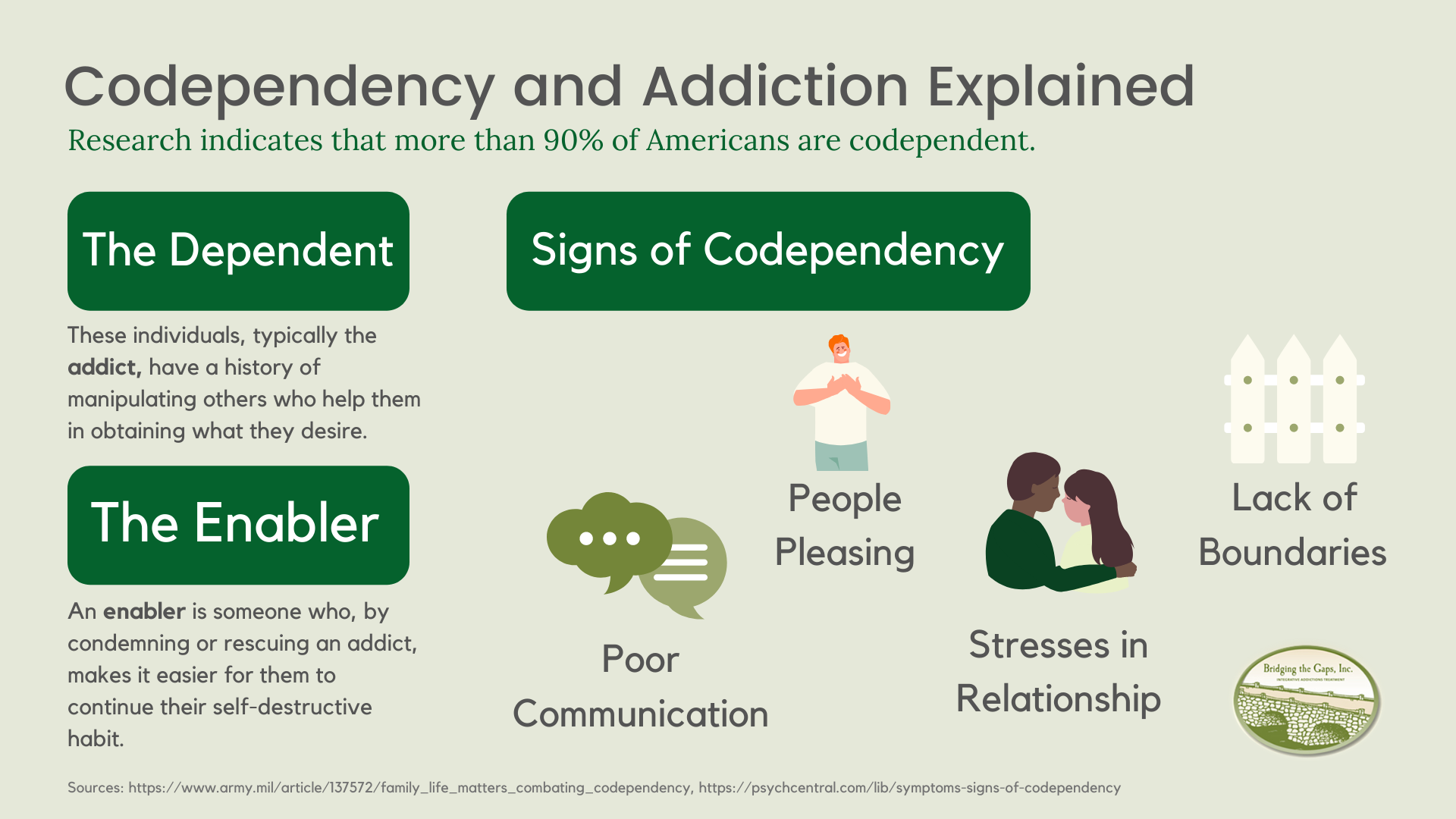
Addiction is a multifaceted beast, and its claws often entangle more than just the individual struggling with substance abuse. Among the myriad of psychological aspects surrounding addiction, codependency is a frequent, yet complex companion. In my experience, I have never met an addict who is not also codependent. This is a bold statement, but it speaks volumes about the intricate dance between addiction and the need for external validation.

Understanding Codependency

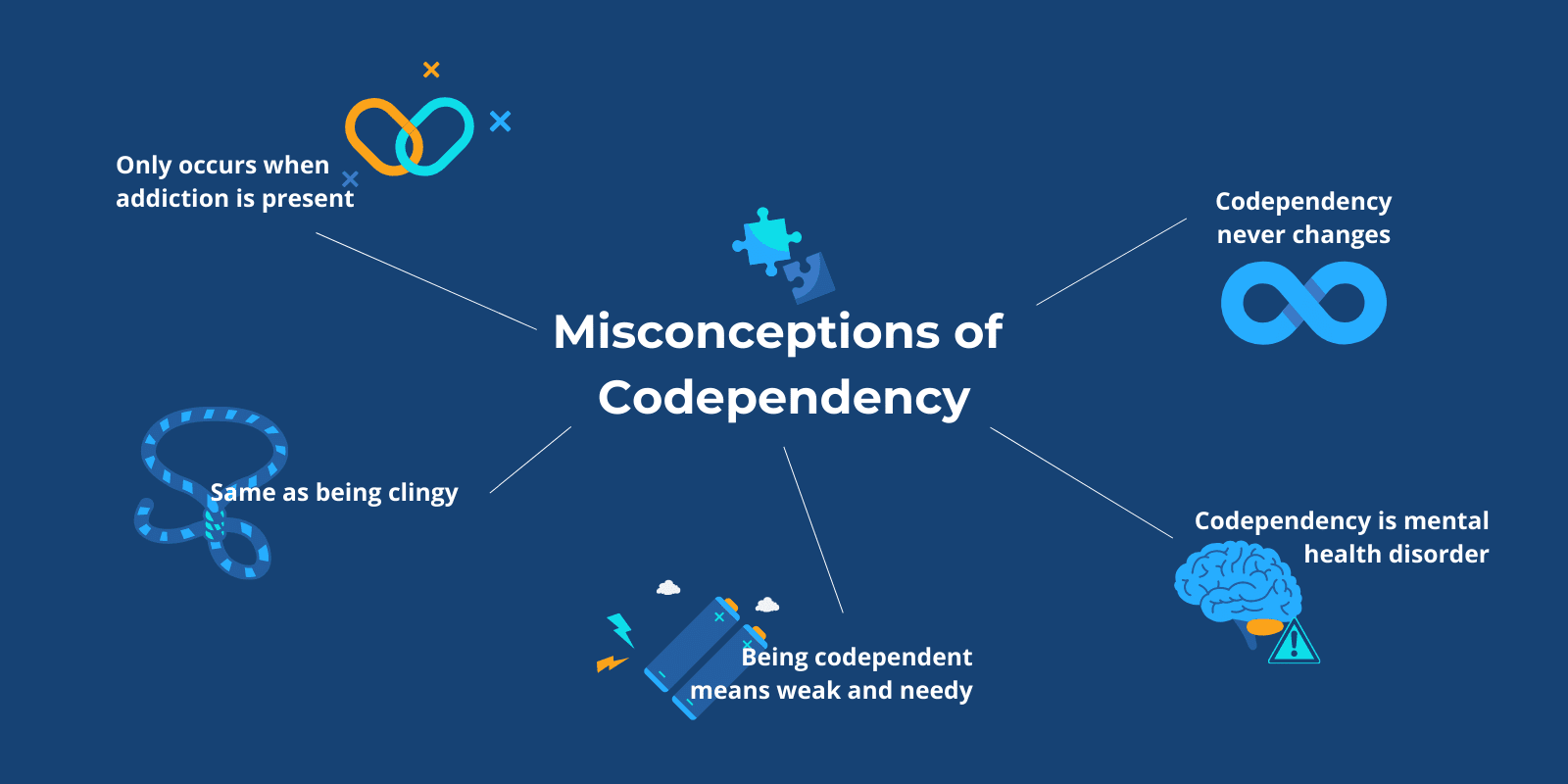
Codependency lives in a world of gray areas; it's not a concept that can be pinned down to simple black and white definitions. At its core, codependency is an emotional and behavioral condition that affects an individual's ability to have a healthy, mutually satisfying relationship. It is characterized by a person's reliance on others for approval and a sense of identity.

Those who struggle with codependency often find themselves in relationships where they are the caretakers, putting the needs of others before their own to an unhealthy degree. It's a self-sacrificing pattern that can lead to a loss of self-identity and an inability to forge one's own path.

The link between codependency and addiction is strong and symbiotic. Addicts often rely on others to satisfy their emotional needs or to rescue them from the consequences of their substance abuse. This dynamic creates a breeding ground for codependent relationships, where the addict becomes the focal point, and the codependent partner derives their self-worth from their ability to 'fix' or 'save' them.

In these relationships, the codependent's fear of abandonment or rejection can fuel the addict's behavior, leading to a vicious cycle where the addict's need for substances and the codependent's need for validation feed off each other. This can create an environment where neither party is addressing the root of their issues, but rather, are attempting to fill the void with external solutions.

Breaking Free from Codependency

The journey towards recovery for both addicts and their codependent counterparts involves recognizing the patterns that bind them. It's about understanding that codependency, much like addiction, is a personal struggle that requires internal work. As we navigate the complexities of these intertwined issues, the focus must shift from trying to fill the void with others' validation to working on ourselves.

Healing begins with setting boundaries and finding self-worth from within. It's about learning to value oneself independently of others' opinions or actions. This is not an easy process; it often involves confronting painful truths and engaging in deep self-reflection. However, the goal is to emerge with a stronger sense of self that is not contingent on the whims of another.


The Path to Autonomy and Healthier Relationships

Recovery from codependency and addiction is a path to autonomy. It's a journey towards building healthier relationships that are not predicated on dependency but on mutual respect and individual strength. It's about creating a new narrative where self-validation comes from personal achievements and self-care, rather than an insatiable need for external approval.

For those struggling with addiction, tackling codependency is an essential step in the recovery process. It requires a shift in perspective, from seeing relationships as a means to fill a void, to viewing them as an opportunity to share one's whole self, free from the need for constant reassurance.

Conclusion

In conclusion, codependency and addiction are deeply interwoven, with each perpetuating the other. Breaking free from the cycle of codependent behavior is a crucial component of achieving lasting sobriety and fostering a healthy sense of self. As we work on ourselves, we learn that the strongest foundation for a fulfilling life comes not from others' validation, but from our own inner strength and self-acceptance.-Belle-


From Fast Cash...To What?


From Fast Cash to Honest Work: Navigating Early Recovery and the Emotional Toll of Starting Over

It's a crisp, early morning, and I find myself clocking in for my shift. The familiar scent of coffee fills the air, and the sound of clinking dishes resonates in the background. This routine is new to me, a stark contrast from the life I once knew. I was the "plug," the person people came to when they needed something outside the confines of the law. Money was never an issue; it flowed as freely as the risks I took. But those days are behind me now. I'm in early recovery, and I'm learning the value of earning an honest dollar.

The Emotional Whirlwind

The transition from the fast-paced hustle of the streets to the structure of hourly work is a profound one. There's an emotional toll that many don't anticipate. The adrenaline rush of the hustle, the danger, the sense of being in control - it's all gone. In its place is the predictability of a 9-to-5 job, and with it, a host of feelings that are hard to navigate.

The stress is different now. It's no longer about dodging law enforcement or rivalries but about making ends meet and proving your worth in a society that often stigmatizes those with a past like mine. There's a haunting impatience, a nagging feeling that the paycheck at the end of the week will never be enough, not compared to what I made in a day before.

Battling the Urge for Fast Money

The allure of quick cash is a siren's call that's hard to ignore. It whispers promises of easy living and the return to a lifestyle where money is no object. Overcoming this urge is one of the biggest challenges in early recovery. It's about reprogramming your mind, understanding the true cost of that fast money - the loss of freedom, relationships, and self-respect.

So, how do we conquer this desire? It begins with finding new meaning in the work we do. It's about taking pride in earning money through legitimate means, no matter how small the amount may seem. It's about setting goals, creating a vision for a life that's not just about survival but about thriving in a new reality.

The Difference After the Hustle

Life after the hustle is a stark difference. There's a newfound peace that comes with living in the light, no longer looking over your shoulder. Relationships are built on trust and genuine connections, not on transactions. There's time to discover who you are outside of the identity that the streets gave you.

But it's not just about the internal changes. It's about the external ones too. It's about being able to plan for the future, to save for a vacation, or to invest in your education. It's about the satisfaction of seeing your hard work reflected in the growth of your savings account, not just in the wads of cash you used to carry.

Moving Forward

The journey from fast cash to hourly wage is more than a change in income; it's a transformation of identity and values. It's a process that requires patience, resilience, and support. For those of us in early recovery, we must embrace this new chapter, recognizing that the true measure of our worth is not in our wallets but in our ability to overcome and start anew.

Yes, the path is challenging, and the temptation to revert to old ways can be powerful. But the rewards of walking this road are immeasurable. We gain more than just a steady income—we gain a life that's rich in authenticity and purpose. 

As I reflect on my shift, counting the modest sum I earned today, I understand that this is more than just money. It's a symbol of my commitment to a new way of life, one where every dollar is a step away from my past and towards a future I can be proud of.-Belle-


Tuesday, April 30, 2024

How to talk to our Kids...


What do we tell our Children?

When discussing the complex topic of addiction with children, it is imperative that we approach the subject with both honesty and sensitivity. Even at a young age, children possess a remarkable capacity for understanding more than we might expect. They often grasp concepts through their inherent curiosity and ability to empathize. So, how do we explain addiction to them in a way that is both appropriate and informative?


Firstly, it's important to affirm that kids are indeed incredibly intuitive and can often sense when something is amiss. Their observational skills should not be underestimated; they notice changes in behavior, mood, and routine. Therefore, shrouding the topic of addiction in secrecy is less effective than an honest conversation because kids likely already know that something is going on.
A convincing approach to explaining addiction to children involves drawing parallels to things within their realm of understanding. One could explain that sometimes people start using a substance or engaging in a behavior because it makes them feel good at first, much like enjoying candy or a favorite activity. However, over time, just as eating too much candy can make your stomach hurt, these substances or behaviors can become a problem—making people feel like they can't stop even if it's causing harm.
This explanation normalizes the starting point of addiction as stemming from an understandable pursuit of happiness while illustrating the consequences of excess and loss of control, concepts that children can relate to—such as the importance of moderation in all things enjoyable.
Moreover, by framing the issue with compassion and without judgment, we teach kids an invaluable lesson in empathy. This shapes their understanding that individuals who struggle with addiction are not bad people but rather individuals who need support to overcome their challenges—much like someone who has fallen ill and needs help to get better.
Children comprehend more than they are often credited for—they deserve our faith in their abilities to understand complex issues like addiction when explained thoughtfully. Open communication fortified by respect for their intelligence builds trust and fosters a supportive environment where children learn to engage with serious topics constructively.
By maintaining a candid dialogue about addiction, couched in terms they can understand and relate to, we empower our children—not only with knowledge but also with emotional intelligence and compassion towards those who struggle with these very real issues.
I really like the following......
"Imagine you have a big, super sticky blob of honey on your hand. If you touch it and try to pull away, your hand just stretches and gets stuck even more, right? Well, for some people, taking drugs is like getting their brain stuck in that super sticky honey. They want to pull away, but the honey holds on really tight.
Just like washing your hands to get rid of the sticky honey takes time and a lot of soap and water, people who are addicted need lots of help and time to stop using drugs. Their brains are like "Wow, this feels good!" when they take the drug, and it keeps asking for more, because it remembers that good feeling just like you remember how yummy candy tastes.
And if they try to stop, their brains and bodies might feel really sick or strange, kind of like how you feel when you're super hungry for your favorite snack but can't have any. That's why they can't just say "bye-bye" to the drugs so easily, because their bodies are tricking them into thinking they need the drug to feel normal again.
That's why they need doctors and family and friends to help them clean up the stickiness slowly, with lots of care and love, just like when mommy or daddy helps you wash your hands until there's no more honey left." -Belle-

I'm NOT your Savior, but you're mine...


Walking Together: How Being a Counselor and In Recovery Has Saved Me 🙌

In the ebb and flow of life’s tumultuous waters, I've found an anchor in my dual role as a counselor and a person in recovery. It's a journey that has saved my life more than once, a path that intertwines my healing with the privilege of aiding others in theirs. The individuals I have the honor to work with are not just clients; they are my teachers, my inspirations, and the co-authors of our shared narrative of growth.

A Mirror and a Window

In every face that walks through my door, I see a piece of my own story. The vulnerability, the struggles, the hopes – they hold up a mirror to my past and a window to countless possibilities. This reflective process is a continuous reminder that recovery is not a solitary expedition but a communal voyage.

Each person's journey that intersects with mine leaves an indelible mark, a lesson that enriches my understanding of the human spirit. They teach me about resilience, about the multifaceted nature of healing, and about the boundless capacity for change. It's a humbling education that no textbook could ever provide.

The Reciprocity of Inspiration

I often find that I'm in awe of the sheer tenacity and courage that the people I work with exhibit. They come from all walks of life, each carrying their own unique burdens and triumphs. Their stories, their struggles, and their successes are daily reminders of why I chose this path. They inspire me to keep learning, to remain a student of life and of the human condition.

In their victories, I find motivation. In their setbacks, I find lessons in perseverance. Each encounter pushes me to better myself, not only as a professional guiding others through the labyrinth of recovery but also as a person continually seeking growth and self-improvement.

The Power of Connection

The saying goes that "connection is the opposite of addiction," and my experiences affirm this truth time and again. In the shared space of vulnerability and understanding, we find a powerful antidote to the isolation that so often accompanies addiction. As a counselor, I get to forge these connections, to be a part of someone's support system, and to witness the transformative power of human connection.

These connections are not one-way streets; they are reciprocal bridges that allow for mutual healing. As I walk beside individuals on their recovery journey, I am not just a guide but also a companion, a fellow traveler whose own recovery is strengthened by the journey.

The Privilege of Walking Beside

To walk beside someone on their journey is a privilege that I do not take lightly. It is a sacred trust to be a part of someone's most vulnerable moments, to share in their pain, their hope, and their growth. I am not there to lead or to pull them along – I am there to walk beside them, to offer support, and to celebrate their progress.

In every step we take together, I am reminded of the incredible resilience of the human spirit and the power of recovery. It is a mutual exchange where every success and every challenge is a shared experience, one that continues to save my life as much as it may help to save theirs.


                        đź’—Gratitude for the Shared Journey

As I reflect on the intertwining paths of my own recovery and my role as a counselor, I am filled with gratitude. The individuals I have the opportunity to work with are not just part of my caseload; they are integral to my journey. Their strength, their willingness to trust, and their commitment to healing are daily reminders of the beauty and strength that lie within the human experience.

To be a counselor and a person in recovery is to be a lifelong learner of empathy, of resilience, and of the power of human connection. And for that, I am eternally grateful, for it is in walking beside these remarkable individuals that I continue to find my own way.-Belle-

Why Addiction Isn’t About Willpower: Why That Truth Matters for Everyone

For more posts, come to the updated platform progressisprogress.substack.com Let’s just be honest: For years, I thought addiction was just b...