
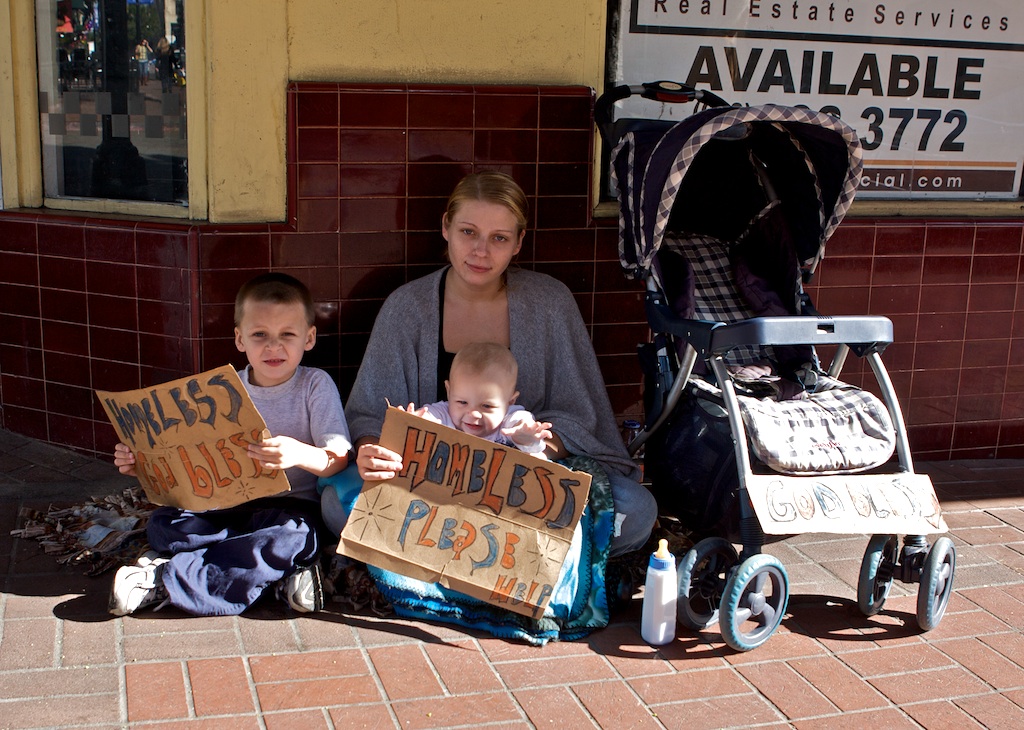
No Place to Land: Homelessness, Addiction, and the Search for Stable Ground
Let’s get brutally honest. When I was a kid, “homelessness” was a word on the evening news, attached to cities far from my quiet corner of Wisconsin. It was sad, sure, but it wasn’t here. Fast forward: it’s everywhere. It’s my clients, my neighbors, sometimes the people standing in front of me at the gas station—tired, sunburned, bundled against the cold, hoping nobody notices how long it’s been since they had a real shower.
And it’s personal. I spent time in a homeless shelter myself—bunk beds lined up like a prison, the air thick with stress, trauma, and way too many bodies crammed in too small a space. The food was expired vending machine “donations,” the rules rigid (in by 8, out by 7), and the sense of safety? Nonexistent. I was lucky enough to claw my way out, but it was more grit and luck than skill or support.
The Winter “Home”: Campers, Cars, and Nowhere to Go
In northern Wisconsin, the new face of homelessness isn’t always a cardboard sign on a street corner. It’s a camper parked behind a big-box store, or a family living out of a minivan, or someone couch-surfing until their welcome wears out. More and more, I see clients trying to survive winter in tiny, uninsulated campers—spaces meant for summer vacations, not negative wind chills. Water freezes solid, space heaters blow fuses, and frost creeps in through every crack.
I've had clients tell me about using duct tape and old blankets to seal up windows, sleeping in layers of clothes, and running propane heaters all night with the windows cracked just enough to (hopefully) avoid carbon monoxide poisoning. I've seen parents try to homeschool their kids in twelve feet of camper space, juggling recovery, schoolwork, and the daily grind of survival. These are not “lifestyle choices”—they’re acts of desperation.
The Ugly Feedback Loop: Homelessness and Addiction
As a substance abuse counselor (who’s also lived it), I know that addiction and homelessness don’t just overlap—they tangle together in ways most people can’t even imagine. Sometimes the addiction comes first, burning through jobs, relationships, and apartments until there’s nothing left but a car and a habit. Other times, homelessness comes first, and the despair, boredom, and trauma drive people straight into the arms of meth, opioids, or whatever else is available.
Meth was my drug of choice. At first, it felt like a miracle for my ADHD brain—I could focus, get stuff done, even sleep and eat (until I couldn’t). But that “magic” quickly turned into psychosis, paranoia, and a sense of being hunted even when I was alone. When you’re homeless, meth promises energy, escape, and numbness. But it also makes everything—housing, relationships, getting help—a thousand times harder.
I see clients every day who are battling the same loop. They want to get clean, but where do you even start when you’re living in a camper, with no consistent address, no way to store meds, and nowhere safe to sleep? The barriers stack up fast:
- No insurance or insurance that nobody accepts
- No transportation—especially in rural areas
- No ID, which means no job, no housing application, no services
- Criminal records that slam doors before you even knock
- Mental health struggles that get overlooked or dismissed as “just the drugs”
- A system that loves its waiting lists and paperwork more than people
Shelters, “Resources,” and the Reality Check
Let’s talk about “shelters” for a minute. If you’ve never stayed in one, count your blessings. They’re loud, crowded, and often full of people just as traumatized as you are—some trying to get clean, some not. Most have rigid curfews, few offer any real privacy, and the food is…well, let’s just say you learn to appreciate the taste of expired granola bars.
Clients tell me all the time how hard it is to follow up on treatment or job leads when you’re out the door at 7 a.m., your belongings in a trash bag, praying nobody steals your shoes. Finding a quiet place to call social services or schedule an intake appointment is nearly impossible when you’re worried about finding a safe place to charge your phone. And don’t get me started on the stigma—both from the outside world and sometimes from staff who are burnt out and underpaid.
The Camper Survival Guide (a.k.a. Making It Work When You Shouldn’t Have To)
In northern Wisconsin, “living off the grid” isn’t Instagram-worthy minimalism—it’s making a 1992 Jayco your year-round address. Here’s what real creativity looks like:
- Layering up in every piece of clothing you own to survive January nights
- Using laundromats as makeshift warming shelters
- Bartering labor for propane or a hot shower
- Stashing your meds in a cooler so they don’t freeze
- Learning which parking lots don’t call the cops on overnight stays
- Scavenging for firewood, or using food pantries to stretch meals
Some folks double up with friends or family—until they’re politely or not-so-politely asked to leave. Others rotate between motels, shelters, and cars. Every day is a hustle, and every small comfort is a victory.
Barriers to Stability—And Why the System Keeps Failing
Landlords don’t want to rent to people with criminal records, evictions, or visible signs of substance use. Transitional housing is rare as unicorns. Recovery residences and sober living houses often have long waitlists or strict rules that don’t work for everyone. Even when someone’s ready to change, the “housing first” approach is still the exception, not the rule.
And then there’s the mental toll: the trauma, the hopelessness, the sense that you’re invisible or disposable. I’ve had clients break down in my office, not because they can’t get sober, but because they can’t find a way out of survival mode long enough to even try.
What’s Out There? Getting Creative with Solutions
If you’re in the thick of it, here’s what I’d tell you as both a counselor and someone who’s been there:
- Start anywhere you can. Even if it’s a shelter or a church basement, get connected. Outreach centers and drop-in services can point you toward case management, housing lists, and sometimes emergency help.
- Ask about Recovery Residences and Sober Living. These aren’t perfect, but they can bridge the gap between the street and stability.
- Don’t overlook small, local charities or harm-reduction groups. Sometimes the best help is off the radar—churches, community organizations, even social media groups.
- Paperwork is power. Keep every document, every application, every scrap of evidence that you exist and are trying.
- Peer support matters. Find people who’ve been through it and made it out, and lean on them for advice and encouragement.
And for those of us trying to help:
- Advocate, advocate, advocate. Push for “housing first” models, integrated care, and trauma-informed services.
- Partner with anyone who will listen. Landlords, businesses, churches, community groups—sometimes change happens one ally at a time.
- Remember: progress is progress. Celebrate the small victories, and don’t let perfect be the enemy of good.
We Need a Movement, Not a Band-Aid
Homelessness isn’t going to disappear with another pamphlet or another round of “thoughts and prayers.” We need more affordable, accessible housing. We need treatment that meets people where they are—including in campers, cars, and motels. We need a system that recognizes that people with criminal backgrounds or substance use histories are still people—worthy of dignity, safety, and a shot at a new life.
I don’t need to be a millionaire. I want to be filthy rich in impact. If you’re reading this, you’re part of the movement. Share resources, tell your story, speak up for those who can’t. Let’s stop treating homelessness and addiction like personal failings, and start treating them like the solvable crises they are.
If you’ve got a resource, a tip, or just a story to share, drop it in the comments. If you know someone who needs this, please pass it on. Let’s see how big of a wave we can make—because nobody should have to choose between survival and recovery, and everyone deserves a place to land.-Belle-


