Thursday, June 13, 2024

From Shame to Hope


From Shame to Hope: Breaking Down the Barriers of Addiction Stigma

Addiction is a disease that affects millions of people worldwide. Yet, despite its prevalence, addiction is often shrouded in stigma and misconception. This stigma – both from society at large and from within the minds of those struggling with addiction – can be a major barrier to seeking help and finding recovery.


The Weight of Stigma

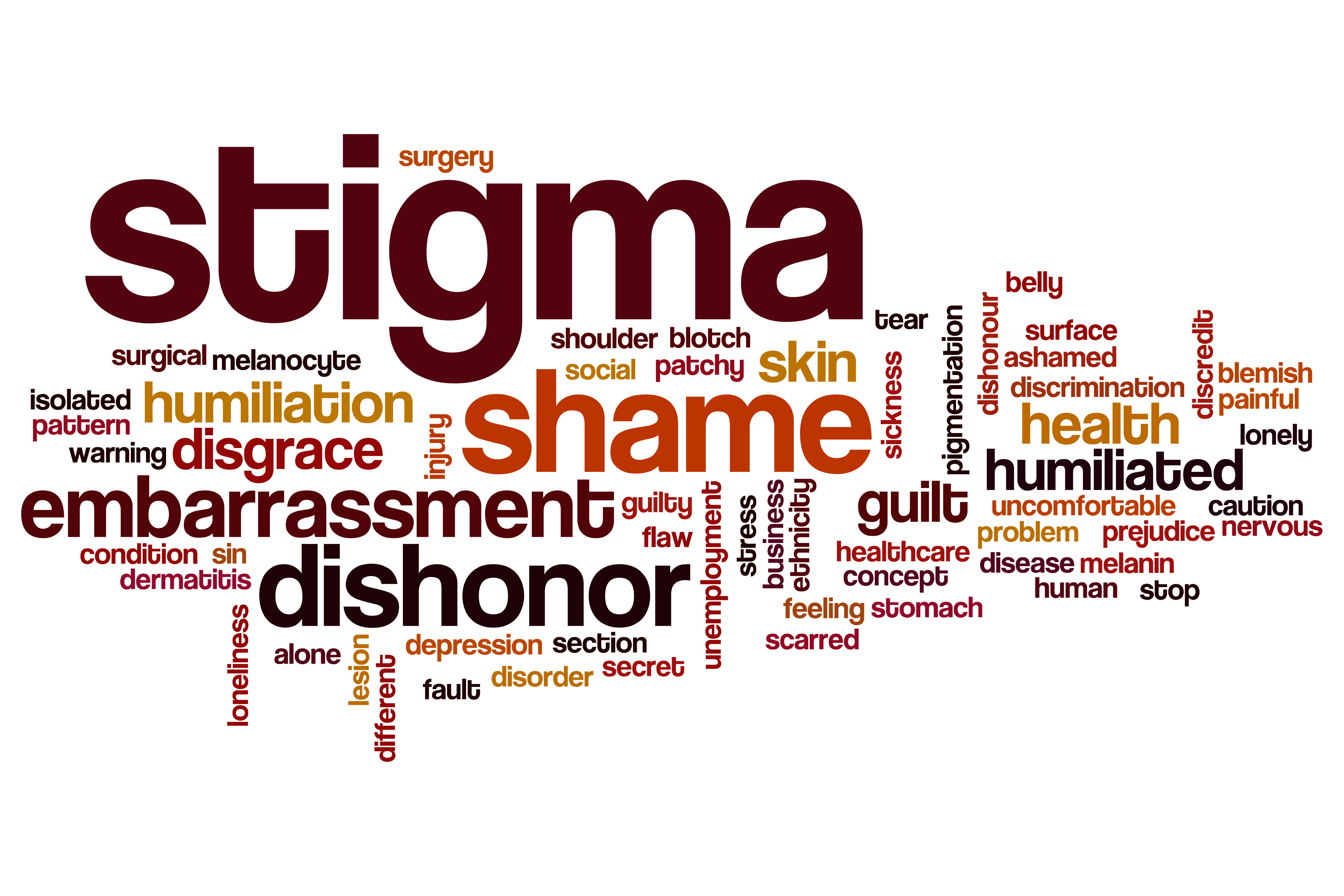
People with addiction often fear being judged, labeled, and ostracized. They may hesitate to seek treatment due to concerns about how others will perceive them. The media often perpetuates negative stereotypes, portraying individuals with addiction as morally flawed or dangerous. Even the language we use to describe addiction can contribute to stigma, with terms like "junkie" or "addict" dehumanizing those struggling with the disease.

This stigma can lead to a dangerous cycle of self-blame and shame. Individuals with addiction may feel like they are to blame for their condition, that they are flawed or weak. This self-stigma can make the disease even harder to overcome, as people may feel unworthy of recovery or hesitant to seek the help they need.


A Shift in Perspective

Fortunately, attitudes towards addiction are beginning to shift. There is a growing recognition that addiction is a complex disease, influenced by a combination of genetic, environmental, and social factors. This understanding is helping to reduce stigma and promote more compassionate treatment approaches.

Historically, addiction treatment has often focused on punitive measures, with an emphasis on detoxification and abstinence. However, this approach has had limited success, and it has often served to further stigmatize those with addiction. In recent years, there has been a move towards more holistic, person-centered models of care. These approaches focus on addressing the underlying issues that contribute to addiction, such as trauma, mental health conditions, and social isolation.

There is also a growing emphasis on harm reduction strategies, which aim to minimize the risks associated with drug use for those who are not yet ready or able to stop using completely. These strategies, which include things like needle exchange programs and safe injection sites, have been shown to be highly effective in reducing the transmission of diseases like HIV and hepatitis, as well as reducing overdose risk.


Changing the Narrative

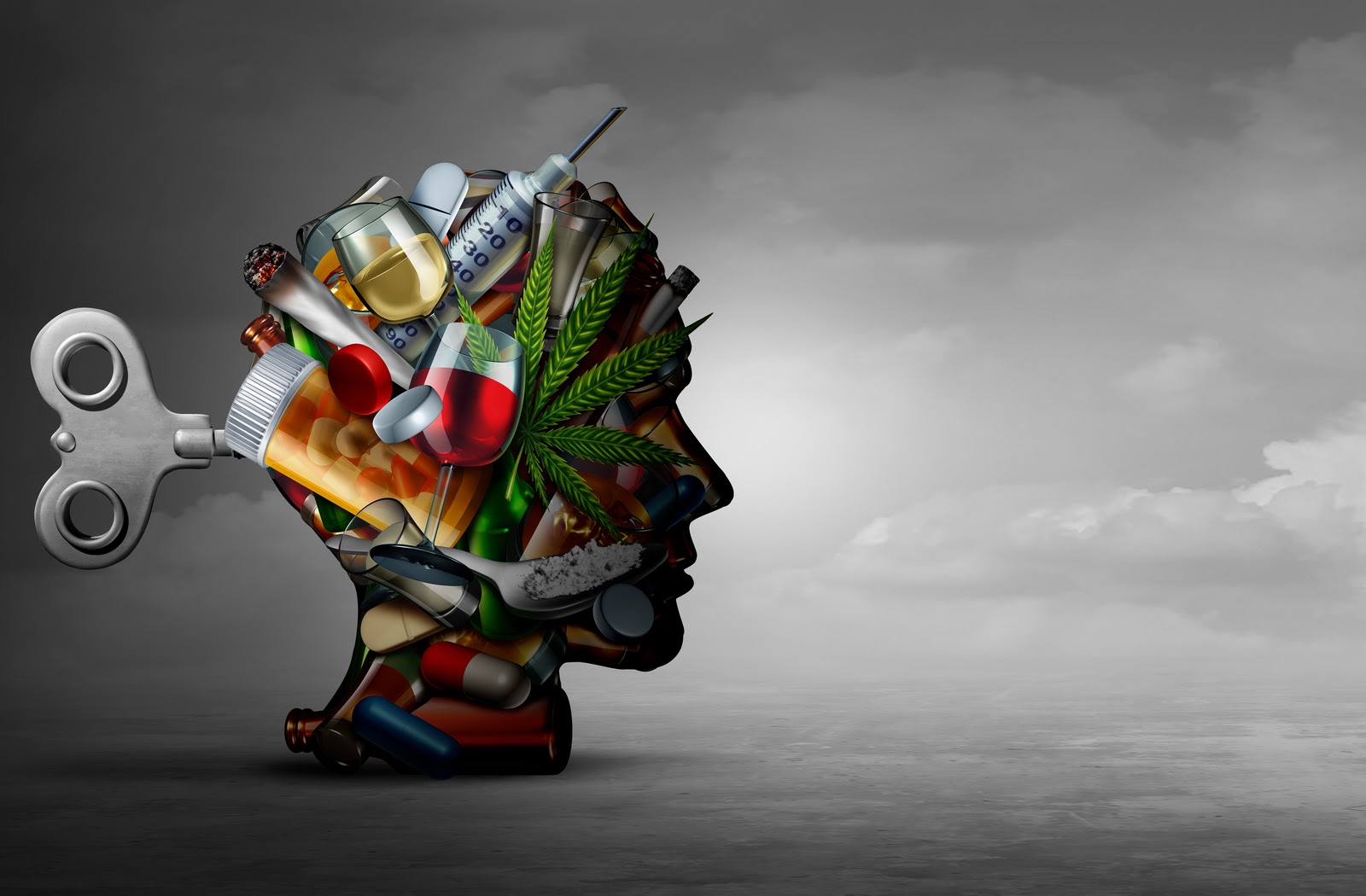
Ending stigma will require a fundamental shift in how we talk about and understand addiction. This means moving away from language that blames and shames, and towards language that emphasizes compassion, respect, and the potential for recovery. It means recognizing that addiction is a disease, not a moral failing, and that those affected deserve the same empathy and care as anyone else struggling with a health condition.

It also means amplifying the voices of those who have lived through addiction, allowing them to share their stories and challenge stereotypes. Through this storytelling, we can humanize the face of addiction and help others see that the disease can affect anyone, regardless of their background or circumstances.


A Message of Hope

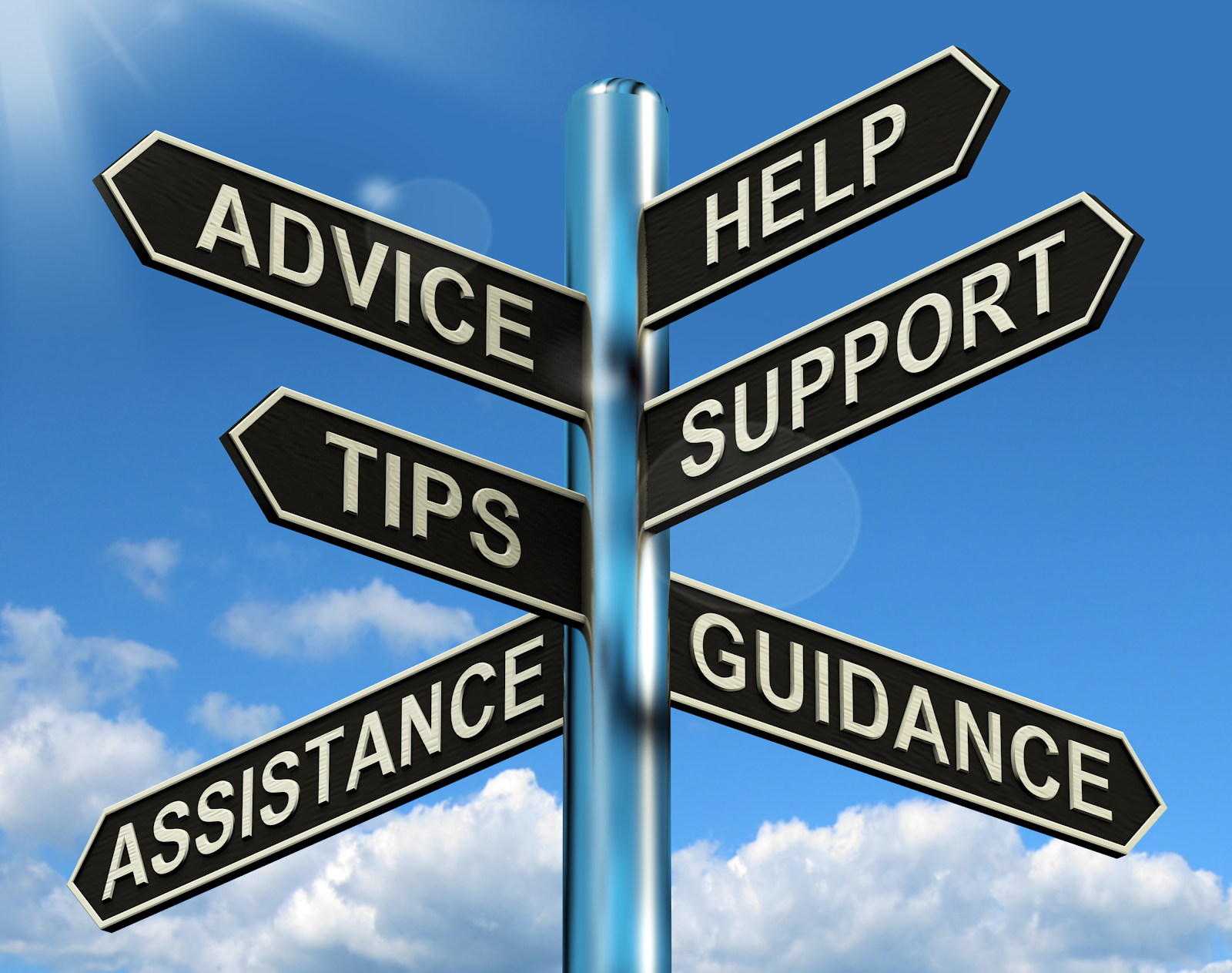
If you are struggling with addiction, please know that there is hope. Recovery is possible, and there is help available. Don't let fear of judgment or stigma hold you back from seeking the support you need. Reach out to a trusted healthcare provider, a addiction treatment center, or a support group for guidance and connection.

Remember, you are not alone in this journey. There are countless others who have walked this path before you and have found a way out of the darkness and into the light. You have the strength within you to do the same. Don't give up, even in the face of challenges. Keep moving forward, one step at a time, and know that a life of peace, purpose, and fulfillment is within your reach.


Let's Break Down the Barriers Together

We all have a role to play in ending addiction stigma. By educating ourselves, speaking out against stigma, and offering compassion to those affected, we can help create a world where everyone has access to the care and support they need to heal and thrive.

Let's break down the walls of stigma and shame, and build a bridge to hope and recovery. Let's show those struggling with addiction that they are seen, they are heard, and they are worthy of a life free from the grip of this disease.

Together, we can make a difference. Together, we can help those affected by addiction find the strength, the support, and the hope they need to overcome. Let's rise up, let's speak out, and let's shine a light on the path to recovery. Because with compassion, with understanding, and with unwavering support, we can overcome the stigma of addiction and build a world where everyone has the chance to heal and thrive.-Belle-


Wednesday, June 12, 2024

Lets talk Feelings..YAY


Feeling Again: The Wild Ride of Emotions in Early Recovery


So, you've made it through rehab, and the fog of active addiction is starting to lift. Congratulations, you've taken a huge step. But now, you're faced with a whole new kind of overwhelming - your feelings. All of them. At once. It's like someone flipped a switch and suddenly you're drowning in a sea of emotion. This is the rollercoaster of early recovery.


Why the Emotional Tsunami?

In active addiction, drugs and alcohol were your go-to coping mechanism. You used them to numb out uncomfortable feelings, to celebrate, to deal with stress...basically, to avoid really feeling anything. Now that you're sober, all that's left is...feeling. It's like the volume on your emotions got cranked up to 11. Dealing with difficult emotions is one of the biggest recovery challenges because drug and alcohol use often begins as a way of coping with...


Enter Emotional Intelligence

Emotional intelligence (EQ) is like having a superpower in recovery. It's the ability to recognize your emotions, understand what they're telling you, and realize how your emotions affect people around you (MindTools). Think of it like having a roadmap to navigate the emotional minefield of early recovery. People with higher EQ tend to do better in recovery (A social work study on the effect of emotional intelligence factors on recovering people addicted to drugs).


Building Your EQ Toolbox

So, how do you start building this emotional intelligence? Here are some tips to get you started:

Get to know your emotions: Take time to really tune in to what you're feeling. Name those emotions - are you anxious, sad, frustrated? (How to improve emotional intelligence in 9 steps)

Journaling: Write down your feelings. Seeing them on paper can help you process and understand them better.

Practice mindfulness: Mindfulness is like a superpower for your emotions. It helps you stay present and focused, rather than getting caught up in emotional reactivity.

Seek feedback: Ask trusted friends, family, or a therapist for their perspective on your emotional responses. Sometimes others can see things we can't.

Learn healthy coping skills: Replace old, unhealthy coping mechanisms with new, healthier ones. This might be exercise, meditation, creative pursuits...anything that helps you manage stress and emotions in a positive way.


The Bumpy Road Ahead

Learning to navigate your emotions in early recovery won't be easy. There will be ups and downs, and sometimes it'll feel like the downs are winning. But here's the thing - every time you face a difficult emotion and find a way to cope with it healthily, you're building strength. You're proving to yourself that you can do this.

Early recovery is a time of massive growth and change. It's uncomfortable and sometimes downright painful. But it's also a chance to rediscover who you are beneath the addiction, to learn new ways of coping, and to build a stronger, more resilient you.

So, buckle up and take a deep breath. The ride of early recovery might be bumpy, but with time, patience, and practice, you'll learn to navigate those emotions and find a sense of peace and well-being you never thought possible.-Belle-

Tuesday, June 11, 2024

Anthem for the Addiction Generation


NF's Anthem for the Addiction Generation: How Could You Leave Us

NF's "How Could You Leave Us": A Heart-Wrenching Ode to Loss and the Grip of Addiction

Music has a way of tapping into our rawest emotions, of giving voice to the pain we can't quite articulate. For many, NF's song "How Could You Leave Us" has become an anthem, a cathartic expression of grief, anger, and the bewildering sense of abandonment that follows loss – often, loss at the hands of addiction.


A Son's Plea

The song opens with NF's signature rapid-fire flow, but there's a desperation here that cuts deeper than usual. He's not just rapping – he's pleading, his words a frenzied mix of confusion and raw pain. "How could you leave us?...How could you leave us to mourn?" He repeats it like a mantra, a stunned question directed at the parent who left him behind, consumed by the very addiction that ultimately took their life.


The Agony of Abandonment

NF's father died of an overdose when he was just a teenager. That loss, and the subsequent feelings of abandonment, have been a recurring theme throughout his music. But there's something uniquely heart-wrenching about "How Could You Leave Us." Maybe it's the sheer bewilderment in his voice, the struggling-to-understand how someone could willingly succumb to addiction and leave their child to pick up the shattered remains.


A Grief Unchecked

This isn't a song about acceptance or closure. It's a snapshot of grief in its most primal, unchecked state, complicated by the messy, guilty grief that often follows addiction-related loss. NF vacillates between rage and despair, his emotions spilling out with a vulnerability that's hard to listen to. He raps about the nightmares, the crippling anxiety, the overwhelming sense of being lost and alone amidst the chaos of his father's addiction. It's a painful reminder that grief isn't linear – it's messy and circular, a rollercoaster you can't escape, made all the more treacherous by the looming shadow of addiction.


A Cry for Connection

Despite the anger and hurt, there's an undercurrent of longing in "How Could You Leave Us." NF yearns for a connection that can never be, a guidance and love he was robbed of by his father's addiction. He raps about wanting to meet his dad, to ask him all the questions swirling in his head, to understand the pull of a substance that was stronger than his love for his own son. It's a poignant expression of the void left by his father's death, a void that can never fully be filled, and the burning desire to make sense of an addiction that stole so much.


**Resonance in Pain**

NF's music has always resonated with fans, but "How Could You Leave Us" seems to have struck a particular chord. Maybe it's the unflinching honesty, the way he lays his soul bare for all to see. Or maybe it's the universal theme of loss, of yearning for something we can never have back, compounded by the guilt and confusion that often accompanies addiction-related loss. Whatever the reason, the song has become an anthem for anyone who's felt the gut-wrenching pain of being left behind, of losing someone not just to death, but to the all-consuming grip of addiction.


A Voice for the Voiceless

NF has built a career on speaking his truth, no matter how painful. With "How Could You Leave Us," he's given voice to the voiceless, to all the kids who've lost a parent to addiction and been left to navigate the aftermath alone. It's a heart-wrenching reminder that we're not alone in our pain, that someone gets it, someone sees us, someone understands the unique hell of loving an addict and losing them twice – first to the substance, then to death.


The Power in Pain

This song isn't easy to listen to. Hell, it's barely survivable at times. But there's a strange sort of solace in hearing someone else express your deepest, most inarticulate pain. Maybe that's the true power of "How Could You Leave Us" – not just in its cathartic release, but in its validation of our own messy, complicated grief, of our own struggles with the demons of addiction, both within ourselves and in those we've lost.

So, to anyone who's found solace in this song, know this: your pain is real, your emotions are valid, and you're not alone in this hellish journey. Keep feeling, keep screaming, keep seeking that connection, no matter how impossible it feels. Because in the end, it's in embracing our pain, not running from it, that we find a way to heal, to keep moving, to keep living – free from the grip of addiction, and full of the hope and resilience that can rise from even the darkest of places.-Belle


Asking for help... What's that?


The 1000 Pound Phone: Why Asking for Help in Recovery Feels Like Lifting Weights


I'll never forget the first time I realized I needed help. I was sitting on my couch, staring blankly at my phone as if it were an ancient artifact I couldn't decipher. I had the overwhelming urge to call someone, anyone, and just...talk. But my fingers felt heavy, like they were stuck to my leg with superglue. The phone, that inanimate object, had somehow transformed into a 1000 pound weight I couldn't budge.

This, my friends, is the paradox of asking for help in recovery. We know we need it, we desperately crave connection and support, yet our brains (and sometimes our hands) seem to conspire against us. Why does something so vital feel so impossible?


Pride, Shame, and the Company They Keep

Recovery has a way of stripping us bare, exposing all our deepest fears and insecurities. It's like standing in the town square, naked and pointing at our flaws for everyone to see. Pride, that protective armor we've honed for years, feels impossible to shed. We think, "I should be able to handle this on my own. I'm strong, I'm capable." But the truth is, strength lies in acknowledging our limitations, not denying them.

Then there's shame, the sneaky little companion of addiction. It whispers, "You're broken, unworthy, a burden." It convinces us that reaching out is a sign of weakness, that others will judge us or abandon ship. But here's the thing: shame cannot survive in the light of honesty and compassion. Every time we push through fear and ask for help, we strangle shame just a little bit more.


The Heavy Chains of Low Self-Worth

Low self-worth is like wearing a pair of cement shoes. It keeps us anchored in misery, convinced we don't deserve better. It tells us our struggles are unique, that no one could possibly understand. But the beauty of recovery is its universality. Every person you meet has a battle, a scar, a story of rising from the ashes. We are not alone, no matter how much our brains protest.


The Freedom of Brokenness

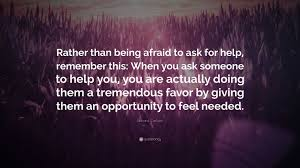
Asking for help is an act of defiance. It's a raised middle finger to pride, shame, and every negative voice that's held you back. It's a declaration: "I am worth it. My struggles matter. I deserve to heal and thrive." And let me tell you, there is no more powerful feeling than the moment those weights start to lift.


A Life Worth Fighting For

Recovery is hard, period. It's messy and uncomfortable and downright painful at times. But it's also the most rewarding, soul-shaking, awe-inspiring journey you'll ever embark on. Every time you pick up that 1000 pound phone, every time you whisper "I need help," you're not just surviving – you're claiming your right to a life that's meaningful, joyful, and yours.


So, if you're sitting there with that phone, feeling the weight of a thousand lifetimes, just know this: you are not alone. Your pain is valid, your fear is understandable, but your potential is endless. You were put on this earth for a reason, to experience all the beauty and heartache and ridiculousness that life has to offer. Don't let addiction, or pride, or shame steal that from you.

Lift the phone. Make the call. Send the text. Show up to that meeting, even when it feels like the hardest thing you've ever done. Because on the other side of that fear is a community waiting with open arms, a well of strength you never knew you had, and a life that's just begging to be lived.


You got this, warrior. Now go pick up that phone.-Belle-

Why Addiction Isn’t About Willpower: Why That Truth Matters for Everyone

For more posts, come to the updated platform progressisprogress.substack.com Let’s just be honest: For years, I thought addiction was just b...