Monday, May 6, 2024

Dances with Dysfunction

A Darkly Humorous Look at the Tango of Codependency and Addiction

Have you ever been in a relationship that was so tight-knit you could hardly tell where you ended and the other person began? No, I'm not talking about conjoined twins, but rather the less medically recognized condition I like to call "cling-joined at the hip" – more commonly known as codependency. It's that special someone who makes you say, "I can't live without you," and you mean it more literally than a fish needs water.

Let's set the stage with Bonnie and Clyde – not the notorious outlaws, but rather a modern couple whose only crimes are against healthy boundaries. Bonnie lives to please Clyde. She's the yin to his yang, the peanut butter to his jelly, the enabling to his addiction. And Clyde? Well, he has a love affair with the bottle that rivals any romance novel, except his object of affection is 40% alcohol by volume.

Their love story isn't written in the stars but scribbled in a self-help book that got tossed in the trash. They're the poster children for codependency and addiction, a match made in dysfunctional heaven.

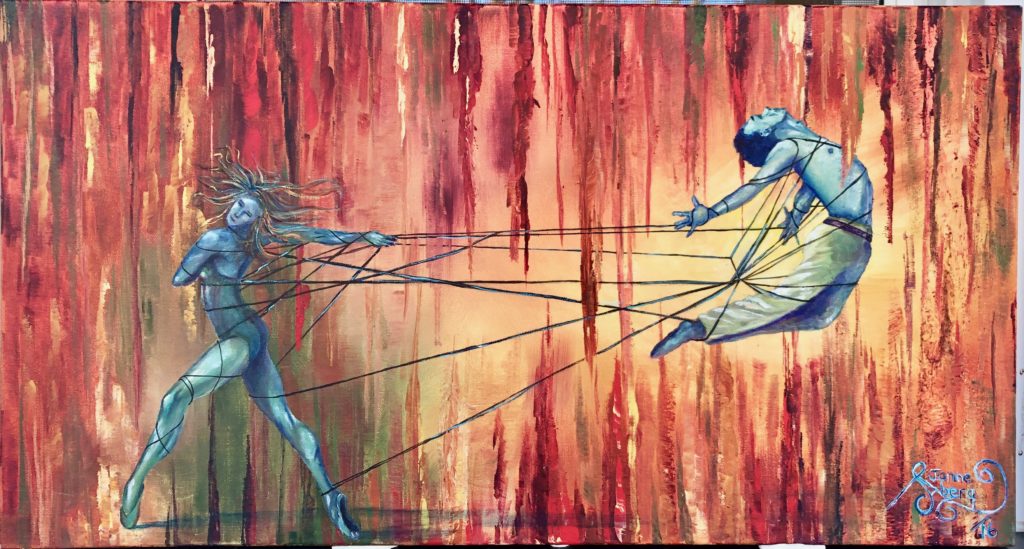
Let's dive into the twisted tango of codependency. Imagine it as a dance where one partner leads by collapsing, and the other follows by picking them up – a never-ending loop. It's like a magic trick where the codependent vanishes into thin air, only their love and care for their addicted partner remain, floating like a disembodied spirit of self-sacrifice.

Codependency is the psychological thriller where you're rooting for the protagonist to run away, but they keep going back into the haunted house because they left their sense of self-worth in the basement. It's the ultimate horror story, only instead of screaming at the screen, friends and family are yelling at the codependent to stop making excuses for their partner's addiction. Spoiler alert: they don't listen.

Now, addiction, that's the villain with a backstory that evokes a twisted kind of sympathy. It's the bad habit that turned into a full-blown lifestyle, the monster under the bed that decided to crawl into bed instead. When addiction and codependency team up, they create a cycle more vicious than a pack of wolves on a carousel.

Together, they're like a sitcom that's been on the air too long – the plotlines are predictable, the laughter is canned, and the characters never grow. The codependent's enabling is the laugh track that keeps the addict performing, ensuring the show goes on despite the audience's groans.

The reality is, codependency and addiction are about as healthy as a diet consisting solely of deep-fried candy bars. They fit together like a puzzle where the pieces are glued with denial and the picture is a portrait of chaos.

So, let's raise a glass (of sparkling water, of course) to the dynamic duo of dysfunction. May their journey be a cautionary tale that teaches us the importance of boundaries, the beauty of independence, and the necessity of a good therapist. Because, at the end of the day, while misery loves company, it doesn't have to be a plus-one at every event in your life.

Remember, if your relationship feels like a dark comedy where you're both the butt of the joke, it might be time to rewrite the script. After all, the only thing you should be codependent on is a good laugh – and maybe this blog post. -Belle-

Sunday, May 5, 2024

Don't let yourself love them to DEATH

Helping a Loved One Through Addiction: The Honest, Raw, and Slightly Dark Side of Tough Love

We all know addiction is no walk in the park, unless that park is filled with landmines and you're blindfolded. It's a complex beast that can tear families apart, and when it comes to helping a loved one struggling with addiction, it's like trying to knit a sweater while the cat's still playing with the wool – a delicate and often frustrating endeavor.


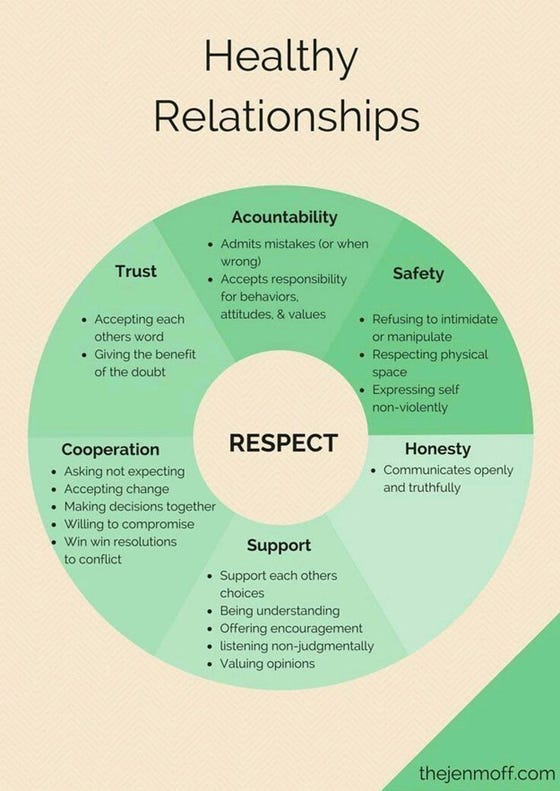
First things first: boundaries. Ah, boundaries – those magical lines in the sand that are as hard to maintain as a diet in a donut shop. But here's the thing – when it comes to addiction, setting boundaries isn't just necessary; it's life-saving. It's like giving a map to someone lost in the forest of addiction; it doesn't pluck them out, but it sure points them in the right direction.


So, how do you set these boundaries without feeling like you're the villain in a melodramatic soap opera? Here's the lowdown:

1. Get Educated – Not Just Street Smart, But Book Smart

Understand what addiction is and isn't. It's not a lack of willpower; it's a chronic disease. It's like diabetes – you wouldn't tell someone to just "get over" their insulin resistance, would you? By understanding the beast, you can better prepare for the battle.


2. Speak Up – But Don't Yell

Communication is key, and I'm not talking about shouting matches that could put reality TV to shame. Sit down and have an honest, calm conversation about your concerns. It's about as comfortable as wearing underwear made of sandpaper, but it's necessary.


3. Draw The Line – And Maybe Use a Sharpie

Make it clear what behaviors you won't tolerate. This isn't a game of hopscotch where lines can be blurred. Whether it's not giving them money or refusing to cover for their mistakes, make sure your loved one knows the consequences. It's tough love, not a free-for-all buffet.


4. Take Care of Numero Uno – That's You, By the Way

You can't pour from an empty cup, and you definitely can't help someone else if you're falling apart faster than a cheap umbrella in a storm. Self-care isn't selfish; it's survival. Therapy, support groups, or simply taking time for yourself are all on the table. No guilt trips allowed here.


5. Stick To Your Guns – But Don't Bring Actual Guns

Once you've set those boundaries, stick to them like they're the last lifeboat on the Titanic. It's going to be as tempting as sneaking a midnight snack to give in "just this once," but remember, consistency is key. They might be as mad as a wet hen, but they'll thank you later (hopefully).


6. Love Them – But Don't Enable Them

There's a fine line between supporting and enabling. It's like feeding a gremlin after midnight; it might seem like a good idea at the time, but we all know how that ends. Love them fiercely, but don't foster the addiction. It's a dance as intricate as ballet, and you're probably going to step on some toes.


So, there you have it – the dark humor-dusted truth about helping a loved one with addiction. It's not all sunshine and rainbows; sometimes, it's more like a thunderstorm with a chance of hail. But with love, boundaries, and a little bit of that tough love, there's a light at the end of the tunnel. And no, it's not an oncoming train – it's hope, and it's worth every difficult step.

Why Addiction Isn’t About Willpower: Why That Truth Matters for Everyone

For more posts, come to the updated platform progressisprogress.substack.com Let’s just be honest: For years, I thought addiction was just b...