Thursday, May 15, 2025

Fat, Flawed, and Unapologetic: Why I’m Done Explaining Myself

Fat, Flawed, and Unapologetic: Why I’m Done Explaining Myself

I’ve spent a good chunk of my life carrying around other people’s opinions. For a long time, they weren’t wrong—I was a mess, caught up in drugs, lying, doing things I’m not proud of. I was that person people warned you about. I own that. But what people don’t see—what they don’t want to see—is that I’m not the same person now.

Thing is, a lot of people just see your past. They remember the worst version of you and pin it to your chest like a name tag. And if you’re overweight like me, there’s a whole other layer of judgment that comes with it. People treat you different when you’re fat. Some won’t say it out loud, but they look at you and see “lazy,” “gross,” “irresponsible.” Even people who have their own struggles with weight can be the harshest critics—I know, because I used to be one of them.

What nobody wants to admit is that it’s never as simple as “just lose the weight.” That’s like telling someone with an addiction, “just stop.” For years, I wasn’t in a place where I could change. I didn’t even know how. Now, finally, I’m doing the work—taking care of my health, trying to live better. And yeah, I’m proud of that. But the shame doesn’t just disappear, and neither does the judgment. Some people will always see me as I was, not as I am.

And the hardest part is, some of those people are family. People who watched me grow up, who should know better. I had a conversation with my aunt recently that just went off the rails—she listed every mistake I’ve ever made, every way I’ve let her down. And I get it; she’s got her own demons, her own pain she hasn’t dealt with. But it still hurts.

Some days, hope feels like a bad joke. Like, “Hey, maybe tomorrow everyone will finally see the new you!” (Cue laugh track.) But here’s the punchline: sometimes you’ve just gotta be your own damn audience. I’ve learned to clap for myself on the days I get out of bed, on the days I eat something green, on the days I don’t spiral. Progress isn’t pretty. It’s not the before-and-after picture they show on TV. Most days it looks like dragging yourself through the mud and calling it self-care. And that’s okay.

Yeah, there’s pain. There’s regret. Sometimes it feels like the universe is just waiting to drop another piano on my head. But there’s also stubbornness, and a weird kind of hope that refuses to die no matter how many times life tries to kill it. If you’re reading this and you get it—if you’re still fighting, still here, still making jokes in the dark—then you’re already stronger than you think.

So here’s to us: the fuck-ups, the works-in-progress, the people with complicated pasts and messy hope. We might not get a standing ovation, but we’re still here. And for now, that’s enough.

I wish I had a neat ending for this post, some kind of wisdom that ties it all together. I don’t. I’m just doing my best to make the next right choice, even if that’s all I can do. Maybe I’ll spend the next forty years trying and some people will never see me differently. That’s their problem.

I’m sharing this because I know I’m not alone. If you’re out there struggling with your past, your weight, your reputation—whatever it is—just know you’re not the only one. I’m not perfect. I’m not trying to be. I just want to keep moving forward, even if that means leaving some people behind. And if they can’t handle it? Honestly, fuck ‘em.-Belle-

Tuesday, May 13, 2025

Navigating Intimacy in Early Recovery: Sex, Sobriety, and the Art of Not Burning Down Your Life (Again)

Navigating Intimacy in Early Recovery: Sex, Sobriety, and the Art of Not Burning Down Your Life (Again)

Let’s be honest—recovery is weird. First you have to learn how to live without your substance of choice, then suddenly everyone expects you to become a model citizen who drinks green smoothies and journals about gratitude. As if not drinking/using isn’t hard enough, you’re supposed to figure out what to do with all these feelings. Enter: sex. Or, if you’re like a lot of us, maybe it’s a question of whether you should enter sex, or just run in the opposite direction and lock the door.

If you’re in early recovery and thinking about sex, congrats: you’re alive, your body works, and you’re having normal human thoughts. But here’s the thing—sex in early recovery isn’t just about sex. It’s about everything you ran from, everything you stuffed down, and every awkward, half-baked feeling that’s been hiding under the pile of your former vices.

The Good:
Sex, when done right, can be wonderful! You might actually feel something for the first time in years (and not just because your nervous system’s rebooting). It can build intimacy, connection, and maybe even help with that whole “feeling human” thing. Plus, orgasms are still free, last I checked.

The Bad:
But wow, can it mess with you. Early recovery is like walking around with your nerve endings on the outside of your body. That first “I like you” can feel like a full-body sunburn. Jumping into bed too soon can crank up the drama, destabilize your moods, and—if you’re not careful—become a brand new addiction. Trust me, you don’t want to swap one monkey for another.

The In-Between:
Maybe you’re not sure what you want. Maybe everything feels confusing, or nothing feels good at all. Maybe you’re abstinent by choice—or by total lack of opportunity, which is also valid. The point is, there’s no gold star for either route. What matters is honesty with yourself. Are you looking for connection, or distraction? Are you trying to fill a void, or are you genuinely ready for the mess and magic of being close to another human?

The Professional (but Still Recovering) Take:
I’m a substance abuse counselor. I’m also a person in recovery. Here’s what I wish someone had told me:
It’s normal to want touch, closeness, sex—hell, even to crave chaos sometimes. But be careful. Early recovery is a time for building yourself up, not tearing yourself down for someone else’s validation, or for the sake of a dopamine hit. Sex can be healing, but it can also be another way to avoid the hard stuff. Therapy, support groups, and a willingness to ask yourself uncomfortable questions? Those are your best friends right now.

If You’re Choosing to Abstain from Sex in Early Recovery:

  • Tell People (the Right Ones): Don’t just ghost your dating apps and hope for the best. Let your support system know you’re shelving sex for a bit—they’ll keep you honest, and maybe stop setting you up with their “fun” cousin.
  • Channel That Energy: Find a hobby. Knit. Run. Build a model train. Anything that doesn’t involve waking up in someone else’s sheets. Yes, you might feel like a teenager again. That’s normal.
  • Check Your Motives: If you’re abstaining just to punish yourself, that’s not recovery—that’s Catholic school. Do it because it’s right for you, not because you “should.”
  • Get Used to Awkwardness: You’ll probably have to explain to someone why you’re not having sex. Practice your “no thanks, I’m working on myself” face in the mirror. It gets easier.
  • Remember, It’s Not Forever (Unless You Want It to Be): You’re not taking a vow of celibacy. You’re just hitting pause. Nobody hands out medals for Most Abstinent in Recovery (and if they do, run).

If You’re Choosing to Have Sex in Early Recovery:

  • Honesty is Foreplay: Tell your partner where you’re at—emotionally, mentally, recovery-wise. If you can’t talk about your triggers, you probably shouldn’t be naked together yet.
  • Keep Your Expectations Low (But Not Your Standards): Sex might be weird. You might cry. You might feel nothing. You might want to run away immediately after. All normal. Don’t confuse “awkward” with “wrong.”
  • Watch for Substitution: If sex starts feeling like your new drug—chasing that high, obsessing, losing sleep—that’s a red flag, not a green light.
  • Remember Boundaries: Yours, theirs, everybody’s. Saying “no” mid-makeout isn’t a crime. Neither is saying “this is moving too fast.” Real intimacy means respecting limits, not pushing past them.
  • Have Backup: Not in the bedroom (unless that’s your thing), but in your support network. Debrief with someone you trust. If it goes sideways, you’ll want someone who can listen without judgment or giggling.
  • Be Ready for Feelings: Sex can bring up all kinds of stuff—grief, anger, joy, panic. That’s not a sign you’re doing it wrong; it’s a sign you’re alive.

So, should you have sex in early recovery?
I don’t know. Maybe. Maybe not. There’s no right answer. Just don’t fool yourself. Check your motives. Talk to someone you trust. And if you screw it up (which, let’s face it, you probably will at some point), that’s okay, too. Recovery isn’t about doing life perfectly. It’s about showing up, being honest, and learning as you go.

Whatever you choose, just keep choosing you—and make the next right choice for YOU!-Belle-

Monday, May 12, 2025

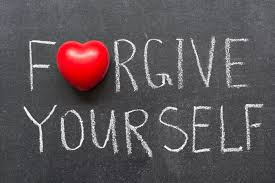
Self-Worth, Forgiveness, and the Art of Not Loathing Yourself (All the Time)


Self-Worth, Forgiveness, and the Art of Not Loathing Yourself (All the Time)

Let’s just say it: self-worth in early recovery is about as common as a unicorn with a gym membership. If you’re reading this, you’re probably somewhere between “I’m trash” and “Maybe I’m not total trash, but I’m definitely not recycling material yet.” Trust me, I’ve been there, and I park my car there sometimes just to remember how bad the neighborhood is.

Here’s the thing nobody tells you: the hardest forgiveness isn’t forgiving the people who wronged you. It’s forgiving yourself for all the stuff you did while you were out there, or in the thick of it, or just...human. And before you roll your eyes so hard you sprain an eyelid, hear me out.

Why We’re Our Own Worst Enemies

I don’t know who needs to hear this, but most of us are way meaner to ourselves than we’d ever be to a friend. We carry around this running commentary that would get us kicked off most social media platforms. “You’re a screwup. You’ll never change. Look at all the people you hurt.” Sound familiar? That’s the soundtrack of shame, baby, and it’s got a hell of a beat.

Early on, we look to other people to tell us we’re okay. Why? Because we don’t trust our own judgment. Years of bad decisions will do that to a person. But here’s the rub: nobody else can hand you self-worth. (If they could, I’d be selling it on Etsy for $19.99 a jar.) You have to earn it back from yourself, one shaky, awkward, sometimes embarrassing decision at a time.

Self-Forgiveness: The Big Scary

People get forgiveness twisted. They think it’s about letting other people off the hook. In reality, forgiveness is like a get-out-of-jail card you give yourself so you can stop being your own warden. You’re not saying what you did was okay. You’re saying, “I refuse to let my past hijack my future.”

Self-forgiveness is ugly work. It’s not a spa day. It’s more like cleaning out a fridge you forgot about during a two-month bender. There are things in there you’d rather not face. But once you start scrubbing away, things get less toxic. You realize you’re not the same person you were. You’re not doomed to repeat every mistake. You’re allowed to grow.

The Next Right Thing

If you came here for the secret to self-worth, it’s this: Make the next right decision. That’s it. Not the next perfect decision. Not the next universally approved-by-your-mother decision. Just the next right one for you, right now. Sometimes it’s drinking water instead of whiskey. Sometimes it’s apologizing. Sometimes it’s just getting out of bed.

You don’t have to know the whole path. You just have to trust that you can put one foot in front of the other. That trust comes with practice. You’ll blow it sometimes, because you’re human and not a robot programmed for flawless choices (if only). But every time you get back up and try again, you’re teaching your brain: “Hey, maybe I’m not hopeless. Maybe I can do this.”

Out-of-the-Box Ways to Build Self-Worth (That Don’t Involve Talking to Your Reflection)

1. Become a Beginner at Something Weird

Pick something you’ve never done and are probably going to suck at—pottery, fencing, bird-watching, skateboarding, whatever. The point isn’t to master it. It’s to remind yourself you can learn, adapt, and laugh at yourself without the world ending. Humility is underrated, but so is the confidence that comes from sticking with something you’re bad at—until you’re just slightly less bad.

For older folks: Try a virtual reality game or start a YouTube channel about your favorite hobby. You get to be the cool grandparent/aunt/uncle, and you’ll prove to yourself that you can keep up with the tech crowd.

For younger folks: Take a tech break and try something old-school—woodworking, gardening, or cooking a recipe from a different culture. Bonus points if you document the disaster and the triumph.

2. The Compliment Challenge (But Make It Subversive)

Instead of giving yourself compliments, hand them out to strangers—with zero expectation of anything in return. Compliment someone’s shoes, their playlist, the way they parallel park. Watch the ripple effect. You start to realize your words matter, and you’re not invisible. Plus, you get to see how kindness bounces back in weird ways.

For men who feel awkward about this: Start with something simple—“Nice shirt, man.” Or, if that’s too much, try writing anonymous sticky notes and leaving them on gym lockers or library books: “Hey, you’re crushing it.”

For women who feel overlooked: Compliment other women in public—on their style, their confidence, their sense of humor. It’s a subtle way to remind yourself of your own strengths, too.

3. Write Your Greatest Hits Liner Notes

Pretend your life is an album, and you’re writing the liner notes. Pick five moments you’re proud of—big or small—and write about them like you’re your own biggest fan. Bonus points if you add a “hidden track” that’s a moment nobody knows about but that meant a lot to you.

For everyone: If you’re feeling brave, share one or two with someone you trust. If not, keep it in your wallet or phone for rough days.

4. Do Something Badly… On Purpose

Perfectionism is a killer. So, pick one thing this week to do badly on purpose. Paint a ridiculous picture, sing karaoke off-key, dress like a fashion disaster. The goal is to break the cycle of needing to be good at everything. You’re allowed to exist as a glorious mess.

For the overachievers and people-pleasers: This is your medicine. Take as needed.

5. Volunteer for Something Completely Out of Your Comfort Zone

Don’t just feed the homeless (though that’s great)—volunteer for something that genuinely terrifies you, like reading to kids if you hate public speaking, or helping at an animal shelter if you’re nervous around dogs. You’ll surprise yourself, and your brain will file that under “Evidence I Can Do Hard Things.”

6. Make a “No List”

Instead of listing what you should do, write down five things you’re NOT going to do anymore because they make you feel like crap. (Example: “I will not scroll social media after 10 p.m.” or “I will not apologize for existing.”) Self-worth grows as you set boundaries—sometimes it’s more about what you refuse than what you add in.

7. Find Your “Weird Crew”

Whether you’re 17 or 70, seek out people who are just as weird as you are, online or in person. Join a Dungeons & Dragons group, a salsa dancing class, or a book club that only reads horror novels. We all need a tribe that mirrors our quirks—that’s where self-love often feels real for the first time.

Progress, Not Perfection (And Other Clichés That Are Actually True)

Here’s the dirty little secret of recovery: You don’t have to believe in yourself 100% to start. Hell, you can start at 1% and that’s enough. The belief grows as you do the work. The more you show up for yourself, the more you realize you’re worth showing up for.

So yeah, self-forgiveness is scary. Rebuilding self-worth feels impossible some days. But you’re not alone, and you’re not beyond repair. Keep making the next right choice. Eventually, you’ll look back and realize you’re not living in that old, shame-filled neighborhood anymore. You’ve moved up—maybe not to the penthouse, but at least you’ve got better lighting and your own bathroom.

And if nobody’s told you today: You’re doing better than you think, and you’re worth the work.

Stay weird. Stay real. Keep going.-Belle-

Why Addiction Isn’t About Willpower: Why That Truth Matters for Everyone

For more posts, come to the updated platform progressisprogress.substack.com Let’s just be honest: For years, I thought addiction was just b...