Friday, June 7, 2024

Best for me- Joyner Lucas & Jelly Roll.


Echoes of Hope in the Melody of Struggle: Breaking Down 'Best for Me' by Joyner Lucas and Jelly Roll

In the realm of music, there are songs that entertain, songs that distract, and then there are songs that reach deep into the tapestry of human experience and resonate with the raw, unvarnished truth of life. "Best for Me" by Joyner Lucas and Jelly Roll is a powerful testament to this latter kind, a song that speaks to the heart of addiction, struggle, and the glimmer of hope that persists even in the darkest of times.

The track opens with a haunting melody, setting a tone that is both introspective and laden with a sense of impending catharsis. Joyner Lucas, known for his sharp lyricism and ability to weave complex narratives, does not disappoint. His words are more than just rhymes; they are confessions, revelations, and a search for redemption.

*"I've been losing my mind trying to figure it out,

But I'm stuck in a drought, I guess I'll start again.

I've been losing my thoughts and my prayers are out loud,

I've been finding more storms but I'll find my way out."*

These lines are a mirror to the soul of anyone who has ever grappled with addiction or watched a loved one battle with it. The "drought" represents the endless cycle of recovery and relapse, the arid landscape of a life parched for change, and the "storms" symbolize the tumultuous challenges that arise on the path to sobriety.


Jelly Roll's voice brings a raw, soulful quality to the mix, his own struggles with addiction lending authenticity and weight to each verse. His journey from the depths of addiction to the light of recovery adds a layer of personal testimony to the song, making it all the more relatable.

*"I swear this life is like the sweetest thing I've ever known,

Got to celebrate, even when the devil trying to take me out."*

Amidst the verses that speak of struggle, there is a thread of resilience. It's in the recognition of life's sweetness, even when tainted by the bitter trials of addiction, that the song finds its power. Celebrating life becomes an act of defiance against the "devil" of addiction, a refusal to be taken down by despair.


What "Best for Me" teaches us is multifaceted. It's a reminder that the fight against addiction is never a straight path; it is fraught with setbacks and victories, moments of clarity, and bouts of confusion. But within this struggle, there is a profound truth – that the human spirit is resilient, and that hope can be found in the chorus of a song, in the melody that speaks to the possibility of a better tomorrow.

The song becomes a beacon for those lost in the throes of addiction, a reminder that they are not alone in their fight. It's a call to keep pushing forward, to recognize that sometimes the "best" we can do is to keep striving, keep hoping, and keep singing the songs that connect us to each other and to the possibility of healing.


In the end, "Best for Me" is more than just music; it's a narrative woven with the threads of human experience, a story that sings of pain, but also of the indomitable will to overcome it. It's a song that holds up a mirror to our own vulnerabilities, and yet, in its reflection, shows us the strength we carry within – the strength to fight for the best in ourselves, even when the journey is fraught with adversity.

This song is a reminder that every day is a new chance to rewrite our stories, to find the melody in the dissonance of life, and to sing, with every ounce of our being, for the hope of a brighter future. Let "Best for Me" be the anthem for anyone who needs to hear that in the symphony of life, their part is essential, their struggles are acknowledged, and their hope is a song that will never be silenced.-Belle-

Thinking your way sober?

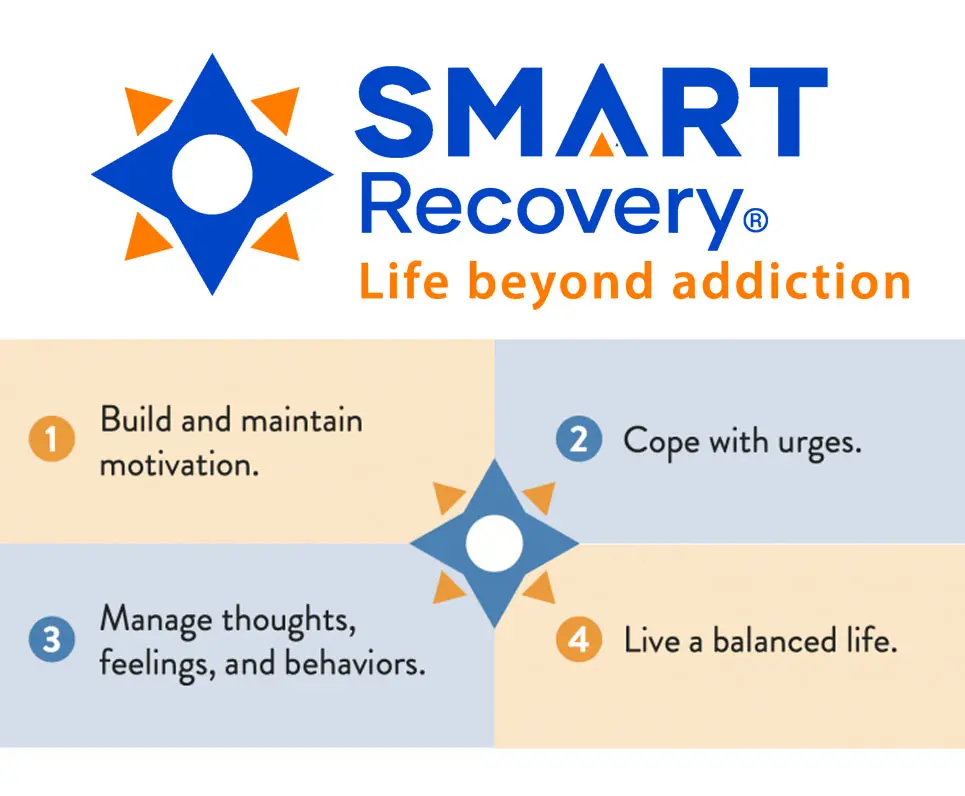
SMART Recovery: The Brainy Approach to Beating Addiction

Welcome to the world of SMART Recovery, where your journey to sobriety is led by the head, not just the heart. If you're looking for a recovery program that's less "Higher Power" and more "power of your own thinking," then you've clicked on the right post. Let’s dive into the world of Self-Management and Recovery Training (SMART), a program that's as practical as a Swiss Army knife and as modern as your smartphone's latest update.

The SMART Formula: Science + Support = Sobriety

SMART Recovery is like the cool, rational cousin of the recovery program family. It's based on scientific research and focuses on cognitive-behavioral therapy and motivational strategies. Think of it as a mental gym where you work out your brain to overcome addiction. It's for anyone who wants to bid farewell to any type of addictive behavior, not just alcohol or drugs, but also gambling, eating disorders, and more. It's inclusive, evidence-based, and has a toolbox that would make Bob the Builder jealous (Psychology of Addictive Behaviors).


Who's it For? Spoiler Alert: It's for You

Whether you're a teenager who's been sneaking beers or a retiree addicted to cat videos (yes, that's a thing), SMART Recovery welcomes all. It's for those who favor a self-help group where the "self" is emphasized and you're the captain of your ship, navigating through the stormy seas of addiction with a compass of coping strategies.

Why it Works: It's Like Having a Life Coach in Your Pocket

The reason SMART Recovery works is that it empowers you. You're not just a passenger on the road to recovery; you’re in the driver's seat, GPS in hand. You learn how to manage your cravings, deal with life's ups and downs, and build a lifestyle that makes sobriety as natural as scrolling through memes on a Monday morning.


Different from 12-Step Groups? You Bet

Here's where it gets juicy. While 12-step programs have you diving into spiritual discovery and the power of group wisdom, SMART Recovery is more like a personal trainer for your brain. It doesn't require you to believe in a higher power, unless you count your own brainpower. Meetings are more like educational sessions, and the only steps you’ll be counting are the ones leading you to independence from addiction.

Yet, Surprisingly Similar

But let's not throw the baby out with the bathwater. Both SMART Recovery and 12-step programs provide support from peers, encourage personal responsibility, and aim for a life of sobriety. They're like two sides of the same coin, or like two different flavors of the same life-saving ice cream.


Want More Info? There's an App for That (Not Really, but There's a Website)

Curious minds and thirsty souls can quench their thirst for knowledge at www.smartrecovery.org. This digital haven is your one-stop-shop for meeting schedules, resources, and a community forum where you can share your triumphs and tribulations without ever having to leave your couch. It's like Netflix for recovery – without the subscription fee.

So, if you're ready to pair your recovery with rational thinking and science-backed strategies, SMART Recovery might just be your perfect match. It's practical, empowering, and has a no-nonsense approach that's as refreshing as a cold drink on a hot day (non-alcoholic, of course). Give it a try; your brain – and your future self – will thank you.-Belle-

A walk down the Red Road


The Red Road to Wellbriety: A Journey of Healing and Hope

In the heart of Native American wisdom lies a path to recovery and well-being known as the Red Road to Wellbriety. This profound journey transcends the conventional approaches to sobriety by weaving the rich tapestry of Indigenous cultural beliefs, traditions, and practices into the healing process. It's a path that not only leads to overcoming substance use disorder but also to restoring balance and harmony within oneself, the community, and the environment.


Embracing Indigenous Wisdom in Recovery

The Red Road to Wellbriety is more than a program; it's a way of life that is deeply ingrained in Native American and First Peoples' worldviews. It is a holistic approach that encompasses the physical, mental, emotional, and spiritual aspects of life, recognizing that all these elements are interconnected and essential to achieving true wellness (HeinOnline).


The Meaning of Wellbriety

"Wellbriety" is a term that conveys more than just abstinence from alcohol or drugs. It implies living a sober life that is also well and balanced. It is about thriving in all areas of life and cultivating positive relationships with oneself, others, and the natural world. The Red Road to Wellbriety encourages individuals to walk with dignity and respect, embracing the teachings of their ancestors and the wisdom of the elders.


The Four Laws of Change

Central to the philosophy of the Red Road to Wellbriety are the Four Laws of Change. These laws state that change must come from within, be motivated by a vision for the future, involve a supportive community, and be guided by action. It is through these principles that individuals find the strength and support to embark on their recovery journey and to maintain their sobriety long-term.


The 12 Steps and Native Traditions

The Red Road to Wellbriety incorporates the familiar framework of the 12 Steps, adapting it to align with Native American cultural values and spiritual beliefs. This adaptation provides a relatable and culturally appropriate recovery model for Indigenous peoples, offering a sense of identity and belonging as they walk the path of recovery (Wellbriety.com).


Community and Healing Circles

A distinctive feature of the Red Road to Wellbriety is its emphasis on community and the collective journey of healing. Healing circles, a traditional practice among many Indigenous cultures, are an integral part of this approach. Within these circles, individuals share their stories, wisdom, and support, fostering a sense of unity and mutual growth.


Respect for Tradition and Moving Forward

The Red Road to Wellbriety honors the past while looking to the future. It encourages individuals to draw on the strength of their ancestors and the resilience of their communities to face the challenges of recovery. By doing so, they not only heal themselves but also contribute to the healing of their families and communities, passing on a legacy of wellbriety to future generations.

The Red Road to Wellbriety is a testament to the enduring spirit and profound wisdom of Native American and First Peoples' cultures. It offers a compassionate and culturally enriched path to recovery that resonates with the hearts of many seeking healing from substance use disorder. As more individuals embark on this sacred journey, the promise of a balanced, sober, and well life becomes a shared vision that inspires and uplifts entire communities.-Belle-

Thursday, June 6, 2024

Wisconsin Sober: Navigating Brews and Booze in America's Dairyland


Embrace the Sober Curious Movement


The sober curious movement is gaining traction, and it's a great starting point for Wisconsinites looking to stay sober. This movement encourages people to question their drinking habits and the role of alcohol in their lives, without the pressure of committing to total abstinence. You can still participate in social events, savoring non-alcoholic craft beers and mocktails that many local businesses now offer.


Discover Wisconsin's Non-Alcoholic Gems

Wisconsin is more than just beer and brandy. Embrace the state's rich heritage by exploring its non-alcoholic offerings. Indulge in the state's famous cheese, take a tour of a dairy farm, or enjoy the great outdoors. The natural beauty of Wisconsin's lakes, forests, and trails can be a sobering and fulfilling alternative to the bar scene.


Find Your Tribe

Surrounding yourself with supportive people who respect your choice to stay sober is crucial. Look for local sober groups or activities where alcohol isn't the main focus. Engage in community sports, book clubs, or volunteer work. There are also sober bars popping up in many cities, offering a nightlife experience without the alcohol.


Create New Traditions

Wisconsin is known for tailgating parties and beer festivals, but you can start new traditions. Host alcohol-free gatherings, like a sober supper club or a mocktail mixing party. Celebrate Oktoberfest with a twist—organize a root beer tasting event. By creating new ways to socialize, you redefine fun on your own terms.


Educate Yourself and Others

Educate yourself on the risks of alcohol and share your knowledge with friends and family. Understanding the impact of alcohol on physical and mental health can be a strong motivator for staying sober. Offer to be the designated driver for events, showing others that you can still be part of the festivities without drinking.


Practice Self-Care and Mindfulness

Self-care is essential in maintaining sobriety. Develop a routine that includes healthy eating, exercise, and mindfulness practices like meditation or yoga. These habits can help you cope with the pressure to drink and provide a foundation for long-term sobriety.


Have an Exit Strategy

When you find yourself in situations where the pressure to drink is high, have an exit strategy. Plan in advance how you'll decline a drink and make a swift, graceful exit if you feel uncomfortable. Remember, it's okay to put your sobriety first.

Staying sober in Wisconsin, a state that toasts to its drinking culture, is challenging but not impossible. By finding alternative activities, building a supportive community, and practicing self-care, you can navigate the pressures and enjoy a fulfilling sober life. Remember, your journey is yours alone, and every step you take towards maintaining your sobriety is a victory worth celebrating.-Belle-

The ABCs of THC: From A to Delta 9


The ABCs of THC: From A to Delta 9

Welcome to the wild world of weed, where the alphabet is as twisted as the plant’s leaves and the chemistry is as complex as your cousin's explanation of why he's still living in his van. Today, we’re diving into the stoner’s glossary to dissect the differences between THC, THCA, THCB, Delta 8, and Delta 9.


What's in a Name?

Let’s kick things off with THC, or as the science folks call it, Tetrahydrocannabinol. It's the main psychoactive ingredient in cannabis that gives you that “I’m on top of the world and this couch is my throne” feeling.


But not all THC is created equal. Take THCA, or Tetrahydrocannabinolic acid, for instance. It’s THC's acidic precursor found in raw cannabis. Think of THCA as the Clark Kent to THC’s Superman. It doesn’t have psychoactive powers until it's decarboxylated – that's a fancy term for "heated up." So, if you’re munching on raw leaves hoping to fly, sorry to burst your bubble – you’ll probably just end up with a salad high.


Now, let’s get to THCB. It’s like the mysterious cousin who shows up at family reunions and everyone whispers, “Who’s that?” The truth? Not much is known about THCB yet. It's a newly discovered cannabinoid that might have similar effects to THC, but the researchers are still passing that knowledge joint around.


Delta Force: The 8s and 9s

Enter Delta 8 and Delta 9, the numerical ninjas of the THC world. Delta 9 THC is the most famous one – it's the classic compound that's been sparking up debates and dorm rooms for decades.


Delta 8, on the other hand, is Delta 9's chiller sibling. It's less potent and reportedly gives a smoother high, like riding a bike with training wheels compared to Delta 9’s motorcycle vibes.


The Law and Your High

When it comes to legality, THC is like that one friend who can’t decide what they want to eat. In some places, it’s legal, and in others, it’s a no-go. As of my last update, Delta 9 THC is legal in some states within the U.S. if it's derived from hemp and contains less than 0.3% THC. Delta 8 has been riding a legal loophole wave because it's typically derived from hemp, but don't get too comfy – states are starting to close that gap faster than you can say "munchies."


The Dangers and the Pee Tests

Every rose has its thorn and every high has its low. The dangers of THC range from short-term effects like altered senses and mood changes to long-term issues if abused. It's all fun and games until you end up thinking your pet hamster is a deep philosophical conversationalist.


And yes, these cannabinoids can show up on urine tests, so if you're aiming for a career as a professional pilot or a brain surgeon, you might want to skip the sesh. THC can linger in your system like that one guest who doesn’t get the hint that the party’s over.


Final Puff or Not

Remember, folks, with great power comes great responsibility. Whether you're a THC connoisseur or just canna-curious, educate yourself and consume responsibly. And if you're going to partake, maybe don't make any big decisions until you’re back on Planet Earth.


Now, let's have a real talk about THC when you're trying to keep your life on the straight and narrow, particularly if you're in the throes of sobriety or recovering from addiction.

Using THC might seem like a harmless way to let off steam when you're battling addiction, but it's a bit like playing catch with a beehive — it can backfire with painful consequences. Here are a few sobering reminders:

Sabotaging Sobriety: Introducing any psychoactive substance during recovery can be a minefield. You might think you're just dipping your toes in the water, but before you know it, you could be diving headfirst into old habits.

Triggering Temptations: For those who’ve wrestled with addiction, the psychoactive effects of THC might reignite the brain's reward pathways associated with substance use. It's like giving a recovering shopaholic a credit card — the temptation to spend might just be too strong.

Undermining Recovery Efforts: Recovery often involves building a new, substance-free life. Using THC can cloud your judgment, making it harder to stick to your recovery plan. It's as if you're trying to build a house of cards in a wind tunnel.

Legal and Employment Risks: Let’s not forget that despite legalization in some areas, THC isn't universally accepted and can lead to legal issues or job loss. It's the equivalent of juggling flaming torches — impressive but risky.

Masking Underlying Issues: Many turn to substances as a form of self-medication for underlying issues. Using THC could mask these problems rather than addressing them, similar to slapping a band-aid on a broken leg.

So, if you're on the recovery express, or even just considering buying a ticket, think twice before inviting THC to the party. It might offer a temporary escape, but the destination might not be where you intended to go.

Stay sharp, stay clear, and keep your eyes on the prize — a healthy and fulfilling life that you're fully present for.

Until next time, this is Belle, reminding you that the path of sobriety is a journey, not a destination, and every step counts.


Wednesday, June 5, 2024

Shedding light on the misunderstood world of addiction


Navigating the delicate terrain of discussing recovery and sobriety with "normies"


Those who haven't experienced addiction firsthand – can feel like explaining quantum physics to a cat. They might look at you with curiosity and confusion, and there's a good chance they'll wander off mid-conversation.


First, let's address the big revelation: how do you tell your closest ones about your struggles with addiction? It's like jumping into a pool of cold water – shocking at first, but you know you'll feel better afterward. Start with honesty and simplicity. You don’t need to share every gritty detail. Think of it as introducing your sober self, sans streamers and cake – unless cake helps, then go for it!


When talking to kids, remember you're the producer of a PG-rated film. They need the truth, but not the unedited version. Keep it age-appropriate and focus on the positives: "Daddy won’t be a sleepy bear on weekends anymore!" or "Mommy will have more energy for our superhero adventures!"


Spouses and partners deserve the uncut version—they're your co-stars in this drama called life. Explain your past not as a soap opera, but as a journey, highlighting both challenges (addiction) and achievements (sobriety).

Friends are like a box of chocolates; you never know what you'll get. Some will be supportive rocks, some might drift away, and others will surprise you with their understanding. It’s similar to announcing you've become vegan; there might be initial shock, lots of questions, and eventually acceptance.


Here's the kicker: what do people misunderstand about addiction that we wish they didn’t? Addiction isn't a casual choice like picking a Netflix show. It's not about choosing to delve into substance abuse for fun; it’s a complex interplay of brain chemistry, genetics, and life experiences.

People often say, "Why can't you just stop?" as if it's as easy as flipping a switch. If only it were! Explaining this can feel like describing blue to someone who's never seen color. It's not about willpower or morals; it's a health issue deserving understanding and compassion.


So whether you're a "normie" trying to understand or someone in recovery explaining your journey, let's sprinkle some humor over the situation. It's okay to laugh at life's absurdities sometimes since laughter can be great medicine – along with a good support system.

In conclusion, talking to normies about recovery isn’t about editing your past but directing your future. Be honest, kind (to yourself and others), and don't be afraid to laugh along the way. And for those listening, offer your ear, shoulder, and heart – just maybe hold off on the laser pointers.-Belle-

Tuesday, June 4, 2024

Forgive yourself for what you didn't know...


Surviving Trauma, Abuse, and Addiction: The Road to Recovery and Self-Forgiveness

Life often feels like a series of survival episodes, doesn't it? Imagine for a moment that you're the star of your own action-packed survival film. The plot twists? Trauma, abuse, and addiction. The setting? The rocky landscape of life's miseries. And the ultimate goal? Recovery and a life filled with peace, stability, and happiness. Now, that's a movie worth watching – and living.


Act One: The Unwanted Toolkit

In the early scenes of our lives, we're handed a toolkit. This isn't your regular, shiny set of tools. Oh no. These tools are a little ragged, a tad rusty. They're coping mechanisms we develop to deal with the villains of our story: the hurt, the abuse, the trauma. Whether it's retreating into our shells or seeking solace in addictions, we've used these tools to patch up the holes and keep the boat from sinking. Not exactly the Swiss Army knife of emotional resilience, but hey, it kept us afloat.


Act Two: The Plot Thickens

Cut to the intense part of the movie, where we realize our survival tools aren't cutting it anymore. They're like using a flip phone to livestream – outdated and slightly embarrassing. We've been so busy dodging life's curveballs that we forgot one crucial fact: we're not here just to survive. We're here to thrive. It's the moment we decide to swap our old toolkit for one that's equipped for building, not just barricading.


The Twist: Forgiving the Director

Here comes the plot twist – and it's not a surprise betrayal or a hidden twin showing up. It's about forgiving the director of those early scenes: ourselves. Forgiving ourselves for not knowing the difference between a hammer and a hand grenade in our toolkit. It's about realizing that every time we used those unhealthy tools, we were doing the best we could with the script we had.


Act Three: Rewriting the Script

Now, we're not just actors in our story; we're taking the director's chair. It's time to rewrite the script. Recovery is the new theme. It's about realizing that the set of life doesn't need to be a battlefield; it can be a playground, a canvas, a place to dance in the rain – metaphorically speaking, unless you really enjoy soggy socks.


The Climactic Resolution

As our movie reaches its climax, we find ourselves embracing the chance to live – really live – not just survive. We're talking about a life that's as full and stable as a perfectly baked soufflé (and trust me, that's the Everest of baking). Every human being, no matter their past or the bloopers in their reel, deserves a shot at this kind of peace and happiness.


The Feel-Good Ending

So, as the credits roll on our survival saga, remember this: your past may have been a boot camp for survival, but your future? That's your stage for thriving. Trade in those rusty tools for ones that sparkle with potential, and build yourself a life so full of stability and peace that even the most critical movie critic would give it five stars.

Remember, the only thing standing between you and your new life is the belief that you deserve it. Spoiler alert: you do. Now, go out there and live your blockbuster life. And if all else fails, remember to laugh – because sometimes, the best way to deal with life's plot twists is to find the humor in them.

And that, dear readers, is how you turn surviving into thriving – with a smile.-Belle-

Do they Trust you? Some don't trust me either.... YET


 Rising to the Occasion: The Hilarious Art of Rebuilding Trust in Recovery

Earning back trust in relationships during recovery from addiction is a bit like trying to bake a soufflé for the first time: it requires patience, precise ingredients, and the understanding that it might take a few tries before it doesn't implode on itself.


The Delicate Dance of Trust Restoration

First things first, let's address the soufflé in the room: addiction can wreak havoc on relationships. Trust is often one of the first casualties. But just like that soufflé, trust can rise again with the right approach. It's going to take more than a heartfelt apology or a promise to never do it again; it's about consistent action over time. Think of it as a trust savings account – you've got to make regular deposits and avoid withdrawals.

Step One: Accept That Microwave Solutions Don't Exist

We live in a world where we can have almost anything at the push of a button. Instant gratification is our middle name. But when it comes to rebuilding trust, there's no express lane. Trust is a slow cooker recipe, not a microwave meal. It's about showing up, day after day, being reliable, and doing what you say you'll do, even when it's about as exciting as watching paint dry.


Step Two: Embrace the Awkward

Let's be real, trying to earn back trust can be as awkward as a giraffe on roller skates. There will be stumbles, there might even be falls, but the grace comes in getting back up. And remember, vulnerability is key. Yes, it's about as comfortable as wearing a sweater made of sandpaper, but it shows you're human and you're trying.

Step Three: The Power of Sincerity (No, Really)

A sincere apology is like a unicorn – rare and magical. It's not just about saying "I'm sorry," it's about understanding the impact of your actions, taking responsibility, and outlining how you'll make amends. It's showing that you're not just sorry you got caught; you're sorry because you care about the person you hurt.


Step Four: Consistency is King (or Queen)

If trust-building was a monarchy, consistency would be sitting on the throne, scepter in hand. It's not just about grand gestures; it's the small, everyday actions that build trust over time. It's being as reliable as that one friend who always has gum. It's about making promises you can keep and then keeping them, rinse and repeat.

Step Five: Patience, Grasshopper

Rebuilding trust is a marathon, not a sprint. You'll need the patience of a saint and the tenacity of a toddler who wants a cookie. Understand that setbacks will happen, and that's okay. Recovery and trust-building are not a straight line; they're more like a dance – two steps forward, one step back.


Step Six: Honesty – The Not So Secret Ingredient

Honesty is the sriracha of trust-building – it makes everything better. Be honest about your journey, your struggles, and your successes. Honesty fosters connection, and connection is the lifeblood of trust. Plus, nobody likes a fake – except maybe in Hollywood.


In Conclusion: The Trust Soufflé

Rebuilding trust in recovery is a delicate balance, a mixture of patience, sincerity, consistency, awkward moments, and a dash of humor. It's understanding that while we may want everything to be fixed with a snap of our fingers, the reality is that good things take time. Trust is the ultimate soufflé – it might not rise on your first attempt, but with the right ingredients and a lot of love, you’ll get there. And hey, even if it falls flat, the journey itself is worth a few laughs and a lot of learning. So, preheat that oven and get ready to bake up a storm of trust.-Belle-

Monday, June 3, 2024

F*cking Money issues....


Navigating Financial Triggers: A Journey of Resilience and Recovery

In the depths of overcoming a life once shadowed by addiction and criminal activity, finding financial stability can often feel like navigating through a minefield of triggers and temptations. My personal journey from darkness to light has been paved with continuous self-improvement, a steadfast commitment to recovery, and the daily task of reshaping old, detrimental behaviors into positive, life-affirming actions.


The financial pressures of raising a family have not made this journey any simpler. As a mother of two active boys and a professional counselor, I grapple with the guilt of my children's challenging early years and the desire to provide for their current wants, which sometimes come with a hefty price tag. This guilt can be a powerful trigger, pushing me toward the precipice of past quick-money schemes that, while not illegal, still resonate with the shadows of my former life.


To confront these financial triggers head-on, I've engaged in a relentless quest for self-improvement and financial literacy. Recognizing the need for external guidance, I sought assistance in budget planning and credit management to dig myself out of the financial rut that had been a constant for nearly four decades. It's a humbling experience, but acknowledging the need for help is not a sign of weakness; rather, it's an empowering step towards taking control of one's life.


Opening up about my internal struggles has been a cornerstone of my recovery. It's a cathartic release that not only allows me to process complex emotions but also to align my actions with my long-term goals, choosing the harder but healthier path over the tempting shortcuts. For those who may find themselves in a similar boat, battling the sirens of past habits, know that you are not alone in this struggle.


Stress is an inescapable aspect of life, especially when financial demands loom large. Yet, every day I apply the coping strategies I've amassed over years of personal growth and professional development. For me, there is an undeniable link between engaging in dubious activities and the risk of substance relapse. The moment I start to entertain thoughts of quick, easy money is the moment I edge closer to a past I've vowed never to revisit.


The road to overcoming these challenges is certainly not easy—it demands an unwavering resolve, a robust support network, the resilience to bounce back from setbacks, and an unyielding dedication to hard work. But the rewards of maintaining sobriety and living a life of integrity are immeasurable. By sharing my journey, I hope to inspire others who may be facing similar struggles, and to remind them of the power and possibility of transformation, even in the face of financial triggers.


Finding connections and seeking support can make a significant difference. Whether it's joining support groups, engaging with financial advisors, or simply cultivating a strong, trustworthy circle of friends and family, these resources can provide the guidance and reinforcement needed to stay the course. The path may be fraught with challenges, but with each step forward, we can learn to balance our needs and wants, to manage our triggers, and to build a life marked not by the shadows of our past, but by the brightness of our future.-Belle-

Why Addiction Isn’t About Willpower: Why That Truth Matters for Everyone

For more posts, come to the updated platform progressisprogress.substack.com Let’s just be honest: For years, I thought addiction was just b...